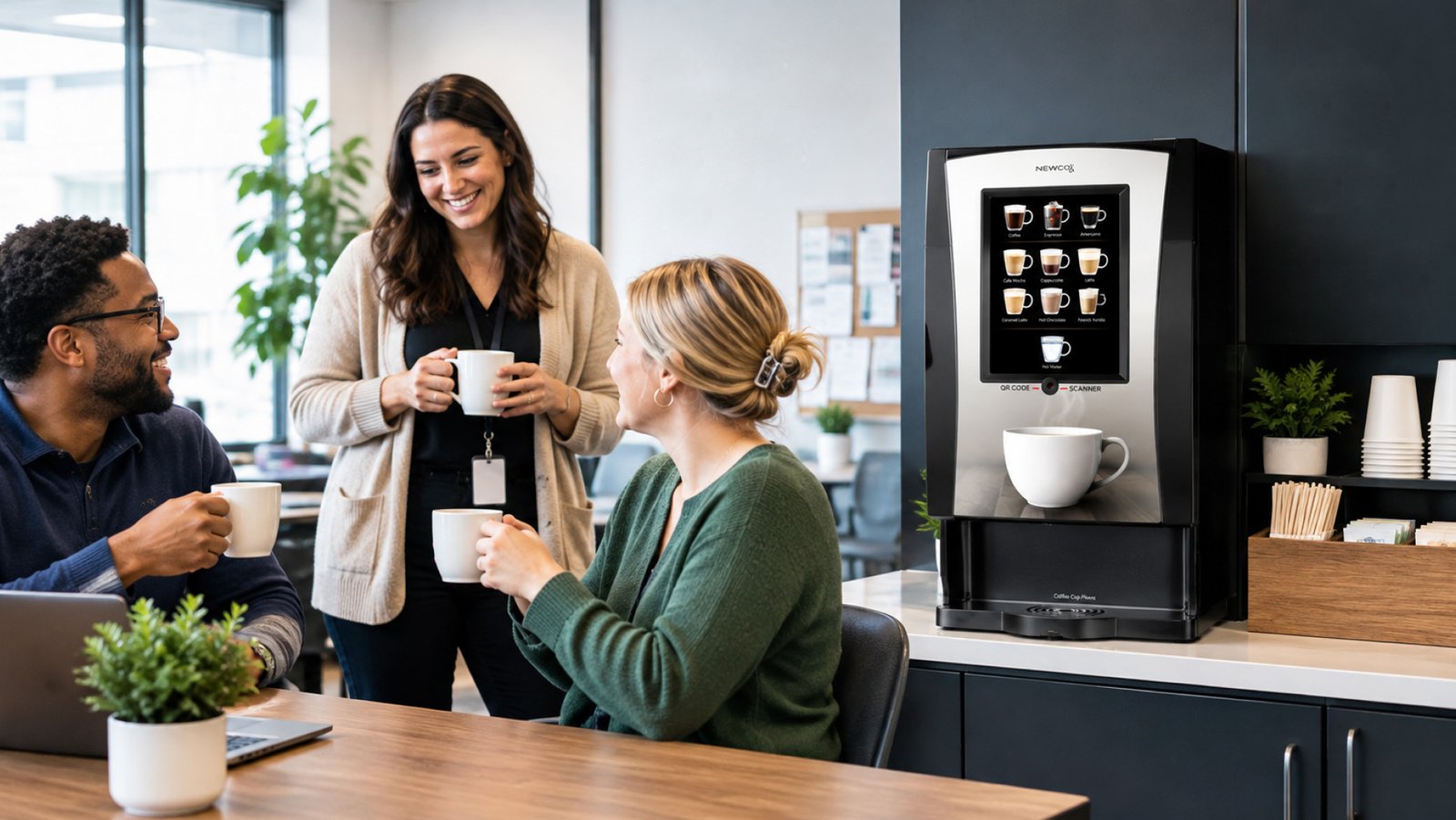
At a Memphis nonprofit, the break room might be where colleagues catch up, volunteers gather before a shift, or a donor grabs coffee before a tour. But when the machine breaks or supplies run out, someone has to stop their work to deal with it.
An office coffee service can help small teams manage equipment and supplies with less day-to-day effort. This guide covers common service options, equipment choices, budgeting, and what nonprofits should consider before choosing a provider.
Why Coffee Matters in Small Workplaces
A shared coffee station gives employees and visitors a convenient place to pause. Research on workplace breaks suggests that breaks can reduce fatigue and improve vigor, although evidence does not show that coffee itself guarantees better performance. A systematic review of the workplace by PubMed breaks discusses these findings.
For nonprofits with busy schedules, the goal is to make breaks convenient without adding more tasks for staff.
The Hidden Cost of Managing Coffee In-House
When employees buy coffee, filters, cups, and creamer themselves, someone must track supplies, compare prices, clean the machine, and arrange repairs. Last-minute shopping can take time away from program delivery, donor communication, and volunteer coordination.
Depending on the plan, an office coffee supplier may provide scheduled deliveries, restocking, and equipment support. Compare the full service cost with current spending and the time staff spend managing coffee in-house.
What Does an Office Coffee Program Include?
Programs vary, but may include brewing equipment, coffee, tea, creamers, sweeteners, cups, lids, and other breakroom supplies. Installation, delivery, and maintenance may also be available.
January Service Company offers office coffee service in Memphis. Ask which machines, products, delivery schedules, and maintenance visits are included in your proposed plan.
Equipment and Maintenance
A drip brewer may suit a small team that drinks coffee at the same time. Single-cup machines can work better when employees arrive on different schedules or prefer individual servings. Bean-to-cup equipment offers more drink choices but may require extra space and cleaning.
Before choosing, consider daily usage, counter space, beverage preferences, cleaning requirements, and waste. A more expensive machine is not necessarily a better fit if your team only needs a reliable pot of coffee.
Ask who handles cleaning, repairs, replacement parts, and service calls. Confirm whether maintenance is included or billed separately, how quickly issues are usually addressed, and what happens if a machine cannot be repaired promptly. Clear responsibilities help prevent recurring maintenance problems.
Choosing the Right Setup for Your Team Size
Teams of 5 to 15
Smaller teams may prefer compact equipment that is easy to clean. A single-cup system can reduce leftover coffee when people drink at different times, while a drip brewer may be more economical when several people share a pot.
Teams of 15 to 50 and Shared Spaces
Larger teams, board meetings, and volunteer events may need greater brewing capacity and more frequent restocking. Consider peak demand and whether the machine and supplies fit comfortably in the available space.
These headcounts are starting points, not fixed equipment rules. Actual usage and staff preferences should guide the choice. Organizations that also need snacks, cold drinks, or ready-to-eat meals can explore January Service Company’s broader breakroom solutions.
Why Local Service Matters
Searching for office coffee service near me can help identify providers serving Memphis, but location alone does not guarantee reliable support. Ask about delivery schedules, repair procedures, and expected response times.
Check whether deliveries can be arranged around your opening hours and whether the provider can handle changes in demand during events or busy periods. Ask how to report a stockout and whether urgent supply requests are possible. Compare actual service commitments rather than assuming all local suppliers offer the same support.
Offer Variety Without Overcomplicating the Menu
Start with the drinks people actually use. Alongside regular coffee, consider decaf, tea, and hot chocolate. Dairy and non-dairy creamers may also be useful if staff request them.
The U.S. Food and Drug Administration’s caffeine guidance says up to 400 milligrams per day is an amount not generally associated with negative effects for most adults. This is not a target for everyone: sensitivity, medical conditions, and medications can affect caffeine tolerance. Decaffeinated coffee also contains small amounts of caffeine.
Offering decaf alongside regular coffee gives people a choice without requiring a large menu.
Keep the Coffee Station Accessible
Keep pathways clear, arrange supplies so they do not block access, and choose equipment with controls that are easy to understand. The U.S. Access Board’s ADA standards explain accessibility requirements for covered facilities and elements. General layout tips are useful, but they do not by themselves establish ADA compliance.
Label regular and decaf coffee clearly, keep cups and stirrers organized, and clean spills promptly. If you are planning a new breakroom or renovation, consider accessibility during the layout process.
Build a Budget You Can Predict
Ask each office coffee supplier for a written quote that separates equipment, products, delivery, maintenance, and additional fees. Compare the likely cost per cup, including filters, cups, creamers, and the time staff spend buying supplies and managing equipment.
Before signing, ask:
- Is equipment purchased, leased, or included?
- Are delivery and maintenance included?
- Are there minimum orders or extra fees?
- Can the plan change if headcount or usage changes?
- What are the contract length and cancellation terms?
A managed service may reduce administrative work, but it is not automatically cheaper than managing coffee in-house. Compare both cost and convenience, then start with a simple setup and add products as demand becomes clearer.
For another workplace refreshment option, read about how micro markets can support employee retention in Memphis workplaces. Micro markets may suit organizations that want snacks, drinks, and convenient food alongside coffee.
Find an Office Coffee Solution That Fits Your Mission
The right coffee program should make everyday tasks easier, not create another responsibility for staff. Focus on reliable equipment, supplies your team uses, clear maintenance terms, and a budget that works for your organization.
January Service Company offers office coffee equipment and supplies for Memphis workplaces, with delivery and maintenance options. Discuss your team’s size, available space, beverage preferences, and expected usage to find a practical setup.