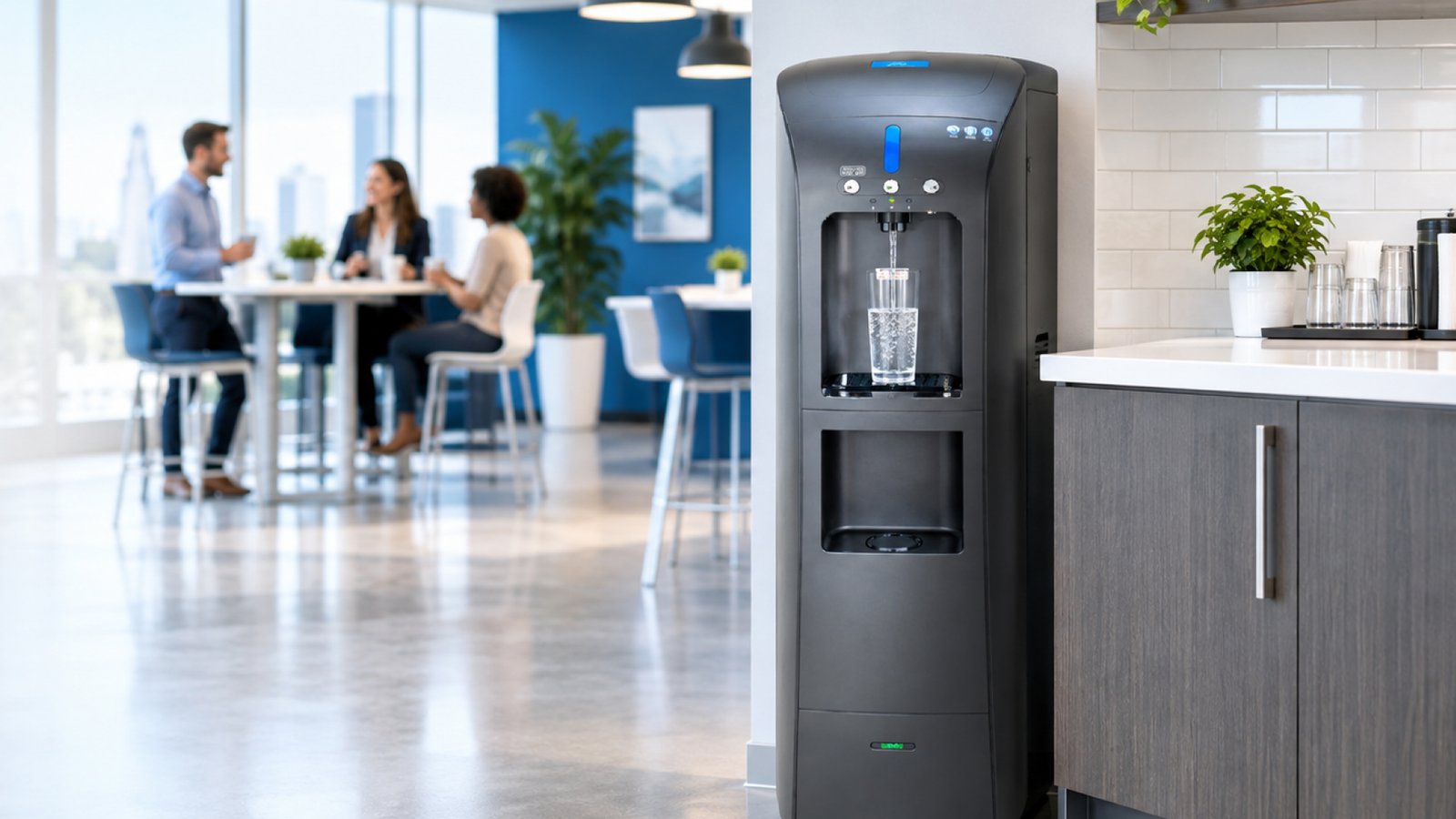
Tap water may be fine for everyday office tasks. However, taste, odor, and convenience can affect how often employees choose water during the workday.
This is where water filtration services can help. A quality filtration system gives employees easy access to better-tasting drinking water. It can also reduce some of the work that comes with bottled-water delivery.
For Memphis businesses, filtered water can support a better breakroom experience.
Here are four practical benefits of adding office water filtration to a Memphis workplace.
1. Better-Tasting Water Can Encourage Hydration
Taste can influence drinking habits. Chlorine, minerals, and other factors can affect the taste of tap water. Even safe drinking water may have an aftertaste that some employees dislike.
A filtration system can reduce substances that affect taste and odor. Better-tasting water can make employees more comfortable using the office water station.
Convenience matters too. Employees may spend hours at their desks or move from one meeting to another. As a result, they may forget to drink water.
A nearby hydration station makes refilling easier. Employees can fill a glass or reusable bottle without leaving the workplace.
Federal data from the CDC’s National Center for Health Statistics shows that adults get water from both food and beverages. Plain water made up less than 35 percent of total water intake in the reported data.
Businesses can help remove one barrier by making drinking water more appealing.
For companies exploring equipment options, our water services page provides more information about workplace water solutions.
2. Convenient Water Access Supports Workplace Wellness
Hydration can affect more than thirst.
Research in the ACSM’s Health and Fitness Journal examined hydration and cognitive performance. The review found that mild dehydration can affect areas such as attention, working memory, and mood.
A filtration system cannot guarantee better employee performance. However, it can make drinking water easier.
Employees can refill their bottles without walking to another area or waiting for bottled-water deliveries.
Office routines can make hydration easy to forget. Employees may focus on deadlines, meetings, or projects. They may also reach for coffee during busy mornings.
A visible water station gives employees another option. They can refill their bottles during a short break or keep water nearby while they work.
This can support the overall employee experience. Filtered water can also fit into an existing employee wellness program.
3. Filtration Can Help Address Water Quality Concerns
Taste is not the only reason to consider filtration. Businesses may also have questions about the quality of their drinking water.
Older buildings can have aging plumbing systems. Certain plumbing materials can introduce lead into drinking water.
Businesses should not assume that every filter removes every contaminant. Different filtration systems target different substances. Certification can help businesses understand what a system can reduce.
The EPA’s consumer tool provides information about filters certified to reduce lead. This makes certification an important factor when businesses compare filtration options.
Decisionmakers should ask specific questions before choosing equipment:
- What contaminants can the system reduce?
- What certification supports that claim?
- How often does the filter need replacement?
Clear answers can help businesses make better decisions.
Water needs can also vary between workplaces. A small office may have different requirements from a large Memphis facility. Building age and expected water usage can affect the decision.
For this reason, businesses should consider a professional evaluation. A provider can review the building’s setup and expected water use.
4. Bottleless Systems Can Reduce Breakroom Hassle
Bottled water provides a familiar solution for many offices. However, someone still needs to track inventory and order new cases when supplies run low.
Delivery schedules can create another challenge. If the next delivery comes later than planned, supplies can run out.
A bottleless filtration system can reduce these tasks. The system connects to the building’s water supply and filters the water before employees drink it.
This setup can provide a consistent source of drinking water. It can also reduce the need to store cases around the office.
Businesses may also reduce their use of single-use plastic bottles. The exact reduction depends on the office’s current water habits.
For example, businesses can use less storage space. Office managers can also spend less time tracking bottled-water supplies.
Businesses that want to explore additional hydration options can review our smart hydration systems for offices.
How to Choose the Right Filtration System
Every workplace has different water needs.
Start with employee count and daily water use. Employees who regularly fill large reusable bottles may create higher demand.
Location matters as well. A water station should sit somewhere employees can reach easily.
Businesses should also review plumbing requirements. Some systems need specific connections or installation conditions.
Maintenance deserves attention too.
For Memphis offices, the goal is not simply to install a dispenser. The system should make drinking water easy to access throughout the day.
Placement, capacity, filtration type, and service can all affect how useful it becomes.
A good provider should explain what the equipment does. Clear information helps office managers understand the difference between basic taste improvement and filtration designed for specific contaminants.
Businesses can also compare filtered water with other breakroom options. A water station may work alongside vending, coffee, or pantry services.
Frequently Asked Questions About Water Filtration Services
What should I ask a water filtration provider?
Ask what the filtration system can reduce and request information about certifications for specific contaminants. This helps you understand what the equipment is designed to address.
How often do water filters need to be replaced?
Ask the provider about the recommended replacement schedule. It can depend on the filtration system and how much water your workplace uses.
Why does service response time matter?
Quick service can help reduce downtime if a filtration system develops an issue. Ask the provider about typical response times and maintenance procedures.
How does a provider choose the right filtration system?
A good recommendation should consider employee count, expected water usage, plumbing setup, and available space. These factors help determine which equipment is appropriate.
What costs should I consider?
Installation is only one part of the total cost. Businesses should also consider maintenance, filter replacement, and ongoing service costs.
Can filtered water replace bottled water?
For offices that currently use bottled water, a filtration system can simplify daily routines. Employees can refill reusable bottles instead of taking individual bottles from storage.
Where should a workplace water station be placed?
Consider placing the station near a common area where employees can easily access it. Convenient placement can make hydration a more natural part of the workday.
What should I ask about installation and maintenance?
Ask about installation requirements, maintenance schedules, filter changes, service coverage, and operating costs. Clear answers can help businesses avoid unexpected expenses.
Water Filtration Can Improve the Breakroom
Water filtration does not need to stand alone.
Many workplaces already provide coffee, snacks, vending, or pantry services. A well-planned breakroom makes everyday needs easier by giving employees convenient access to food and beverages.
Businesses exploring additional breakroom solutions can visit our vending services page to see how other workplace options can work alongside hydration services.
The goal should not be to add equipment simply because it looks modern. Water filtration can provide value when it matches employee needs and office usage.
What This Means for Memphis Workplaces
For Memphis businesses, water filtration services can offer several practical benefits. Better taste can make water more appealing. Convenient access can make regular hydration easier.
Certified equipment can help businesses address specific water-quality concerns. Bottleless systems can also reduce the work linked to bottled-water deliveries.
The right solution depends on the workplace. Employee count, water usage, plumbing, space, and maintenance all matter.
Businesses should compare certification, equipment capabilities, and long-term costs before making a decision.
For Memphis employers, a filtered water system can become a simple and practical part of the daily work environment.