Workplace expectations have changed dramatically over the past few years. Modern offices are now focusing more on employee wellness, sustainability, and operational efficiency than ever before. One area experiencing significant transformation is workplace hydration. Businesses that once relied heavily on bottled water are now transitioning toward advanced hydration system solutions that provide cleaner, smarter, and more sustainable access to drinking water.
Traditional bottled water programs often create logistical challenges, excessive plastic waste, and recurring operational costs. In contrast, modern smart water systems offer continuous filtered water access while supporting healthier workplace environments and sustainability goals.
As organizations continue modernizing office spaces, smart hydration technology is becoming an essential part of workplace infrastructure rather than just an optional convenience.
Why Bottled Water Is Becoming Less Practical for Offices
For many years, bottled water was considered the standard solution for workplace hydration. However, businesses are increasingly recognizing the limitations associated with bottled water systems.
Storage requirements, delivery scheduling, plastic waste, and recurring costs can create operational inefficiencies over time. Large offices especially struggle with maintaining consistent bottle inventory while also managing environmental concerns.
According to insights from Europe Infos on workplace water systems, more businesses are replacing bottled water with advanced dispensers to reduce plastic waste and improve workplace efficiency.
This shift reflects a broader workplace trend focused on sustainability and smarter operational systems.
The Rise of Smart Hydration Systems in Modern Offices
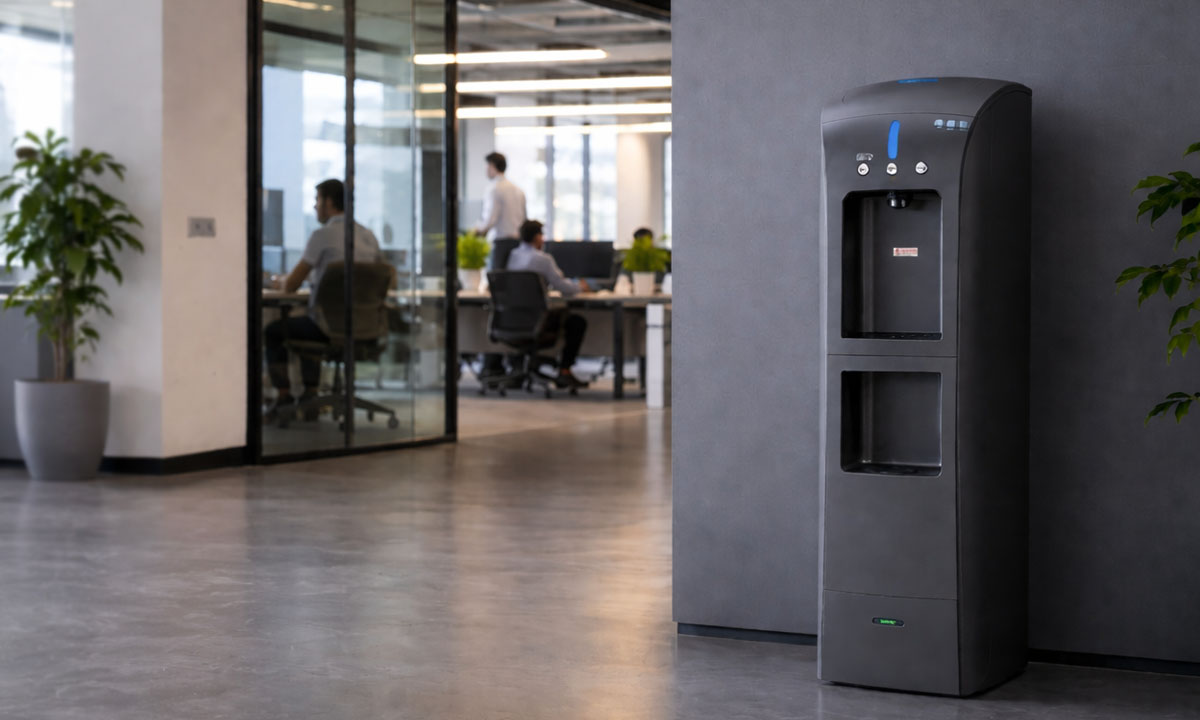
A modern hydration system provides filtered water directly through connected dispensers and bottleless cooling units. These systems eliminate the need for large bottled water deliveries while offering consistent access to clean drinking water.
Unlike traditional water setups, smart water systems can monitor usage, filter performance, and maintenance schedules automatically. Many systems also include touchless dispensing and advanced purification technologies that improve convenience and hygiene.
Businesses adopting modern workplace water solutions are increasingly prioritizing systems that support both operational efficiency and employee wellness.
Benefits of Smart Water Systems for Offices
Modern hydration systems provide several advantages over traditional bottled water programs.
Key benefits of smart hydration systems include:
- Reduced dependency on plastic water bottles
- Continuous access to filtered drinking water
- Lower long-term operational costs
- Improved workplace sustainability efforts
- Better hygiene through touchless dispensing systems
- Reduced storage and delivery management requirements
These benefits are helping businesses create more efficient and environmentally responsible workplace environments.
Sustainability in the Workplace Is Driving Change
One of the main reasons offices are adopting office water filtration systems is the growing focus on environmental responsibility.
Plastic waste generated from bottled water programs has become a major concern for businesses pursuing sustainability goals. Reducing single-use plastics is now considered an important part of corporate environmental strategies.
Research published through ScienceDirect sustainability research highlights the increasing importance of sustainable resource management and environmentally conscious operational systems.
Hydration systems align with these goals by reducing packaging waste, transportation emissions, and unnecessary resource consumption.
As a result, many companies now view bottleless hydration systems as part of their larger sustainability initiatives.
How Bottleless Water Coolers Improve Workplace Efficiency
Traditional bottled water systems often require manual handling, storage space, and regular inventory management. These operational tasks can become inconvenient and costly, especially in larger workplaces.
Bottleless water coolers solve these issues by connecting directly to existing water lines and filtration systems. Employees always have access to filtered water without waiting for bottle replacements or deliveries.
Modern systems also integrate with workplace technology solutions that monitor performance, usage patterns, and maintenance schedules automatically.
This automation improves efficiency while reducing operational disruptions.
Office Water Filtration Systems and Employee Wellness
Employee wellness has become a major workplace priority. Hydration plays a direct role in energy levels, concentration, and overall workplace productivity.
Modern water filtration systems for office use help ensure that employees have convenient access to clean and better-tasting water throughout the day.
Filtered water systems also remove impurities and improve overall water quality, which encourages employees to stay hydrated more consistently.
This connection between hydration and wellness is one reason why businesses are increasingly integrating smart hydration solutions into workplace wellness programs.
The Role of Smart Technology in Modern Hydration Systems
Technology has significantly improved how workplace hydration systems operate. Today’s systems include advanced filtration monitoring, automated maintenance alerts, and smart sensors that improve operational reliability.
According to insights from Wikipedia’s overview of water dispensers, modern dispensers now include integrated cooling, filtration, and smart dispensing technologies designed for both residential and commercial environments.
These innovations allow businesses to manage hydration systems more effectively while improving the employee experience.
Smart systems also provide data that helps organizations monitor water usage and optimize workplace hydration strategies.
Why Employees Prefer Modern Hydration Systems
Employee expectations regarding workplace amenities continue to evolve. Workers now value convenience, cleanliness, and wellness-focused workplace environments.
Modern hydration systems provide:
- Cleaner and fresher tasting water
- Faster access without bottle replacement delays
- More hygienic touchless dispensing options
- Better support for wellness-focused office environments
- Reduced environmental concerns related to plastic waste
- Improved convenience during busy workdays
These improvements contribute to higher employee satisfaction and a more positive workplace experience.
Hydration Systems and the Future of Workplace Design
As offices continue evolving, hydration systems are becoming part of broader workplace modernization efforts. Companies are designing office environments that prioritize convenience, wellness, and sustainability simultaneously.
Businesses exploring advanced workplace amenities can also learn more through filtered water system comparisons for offices, which explain how bottleless systems outperform traditional bottled water setups.
Future workplace hydration systems will likely include even more advanced monitoring tools, AI-driven maintenance systems, and enhanced sustainability features.
This evolution reflects how workplace infrastructure is increasingly being shaped by technology and employee expectations.
Cost Savings and Long-Term Business Benefits
While hydration systems require an initial investment, they often reduce long-term operational costs significantly.
Businesses save money by eliminating recurring bottled water purchases, delivery fees, and storage requirements. Automated monitoring also reduces maintenance inefficiencies and downtime.
In addition to financial savings, organizations benefit from stronger sustainability branding and improved workplace culture.
These combined advantages make smart hydration systems a strategic workplace investment rather than simply a convenience upgrade.
Conclusion
Modern workplaces are moving away from outdated bottled water programs and adopting smarter, more sustainable hydration solutions. A modern hydration system provides cleaner water access, better operational efficiency, and improved support for workplace wellness initiatives.
Through advanced smart water systems, businesses can reduce plastic waste, improve employee satisfaction, and simplify workplace hydration management. Features like touchless dispensing, filtration monitoring, and bottleless operation are helping offices create more efficient and environmentally responsible workplaces.
As sustainability and workplace wellness continue shaping office design, office water filtration systems and intelligent hydration technology will play an increasingly important role in the future of workplace environments.