
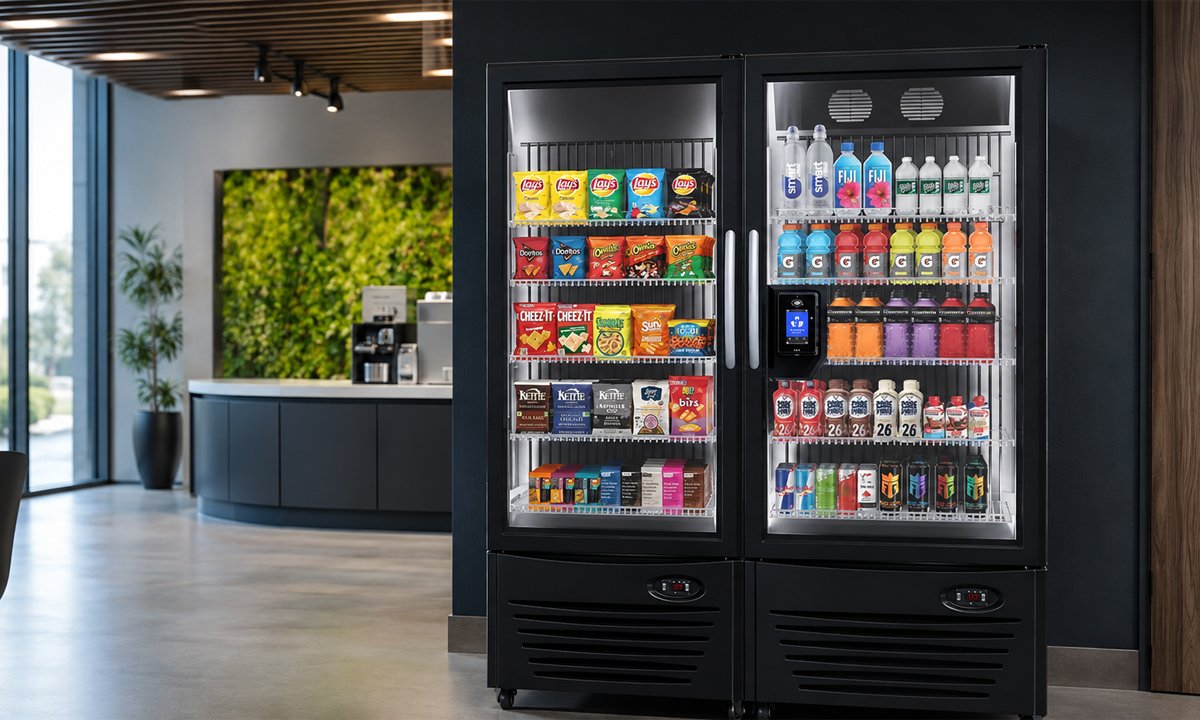
Choosing vending technology used to be simple. You picked a machine, filled it with snacks, and checked on it once a week. Today the decision looks different. Businesses now choose between cashless payment systems, remote inventory tracking, and AI vending technology that can flag a jammed coil before anyone notices.
With so many options available, it is easy to get distracted by features that sound impressive. Not every feature actually solves a real problem. This guide walks through what to consider before committing to a vending solution. The goal is technology that genuinely fits your business, not technology that just looks modern on paper.
Why Vending Technology Choices Matter More Than Ever
A vending machine is not just a snack dispenser anymore. It is a connected device that handles payments and tracks inventory. It often collects data about employee preferences too. That means the wrong choice can create real problems, from payment security gaps to unreliable stock levels that frustrate employees.
The U.S. Small Business Administration notes that choosing the wrong business technology can be an expensive mistake. It recommends checking vendor testimonials and long-term support. It also stresses matching the solution to the specific problem you are trying to solve. That advice applies to vending technology just as much as any other business software purchase.
Start With the Problem You Are Trying to Solve
Before comparing machines or providers, get clear on what is not working today. Are employees complaining about empty machines during busy hours? Is cash handling creating friction? Is there no visibility into what products actually sell?
Commercial vending solutions exist for a wide range of needs. Matching the right one starts with an honest look at your current pain points. A small office with light foot traffic has very different needs than a manufacturing facility running three shifts. Trying to solve a stocking problem with a payment upgrade rarely works. The same is true in reverse.
Understand the Types of Vending Technology Available
Modern office vending solutions generally fall into a few categories. Most businesses benefit from understanding the differences before deciding.
Traditional vending machines still work well for straightforward snack and beverage needs, especially in smaller offices with predictable demand. Smart vending solutions add sensors and connectivity that track inventory in real time. This helps prevent stockouts and gives managers better visibility into what employees actually want. Contactless vending machines support card and mobile wallet payments. This speeds up transactions and removes the friction of carrying cash. Micro markets and smart coolers extend these capabilities further, offering a wider product range with automated checkout.
Each category solves a different problem. The right fit depends on your facility size, employee count, and how much visibility you actually need day to day.
Evaluate Vendors, Not Just Machines
It is tempting to focus entirely on hardware specifications. But the vendor behind the technology matters just as much as the equipment itself. A great machine with poor support is still a poor experience for your team.
An article by Forbes on evaluating tech vendors for small businesses points out that businesses should look beyond product features. Support responsiveness, security practices, and overall fit matter just as much as price. This is especially true with vending technology, since machines that sit unrepaired without being restocked for days quickly lose their value, regardless of how advanced the system is.
When comparing vendors, ask about response times for service calls. Ask how restocking schedules are set, and what happens if a machine goes offline. These questions reveal more about long term reliability than any product brochure.
Prioritize Payment Security from the Start
Cashless and contactless payments are now standard expectations. They also introduce new security responsibilities. Any vending technology that processes card or mobile payments becomes part of your business’s payment environment, so it needs careful handling.
The PCI Security Standards Council advises small merchants to use only approved, secure payment terminals. It also recommends applying vendor software updates promptly and avoiding unnecessary storage of card data. Before signing a contract, ask your vending provider whether their terminals meet these standards, and how they handle updates over time.
Why Connected Devices Need Extra Attention
Smart vending machines, AI cameras, and remote sensors all connect to the internet. That means they carry the same risks as any other connected device on your network. The National Institute of Standards and Technology recommends that businesses take deliberate steps to secure connected devices. Strong authentication and regular software updates matter, since unsecured devices can become entry points for wider network attacks.
This does not mean automated vending technology should be avoided. It simply means security belongs on the evaluation checklist from the start, not as an afterthought once the machine is installed.
Match Technology to Facility Size and Traffic
A twenty-person office does not need the same setup as a two-hundred-person distribution center. Smaller offices often do well with a single smart vending machine, since demand is easier to predict and stock levels are simpler to manage.
Larger facilities with multiple shifts usually need broader coverage. This might mean several machines placed near high traffic areas. Pair that with real time inventory alerts that flag low stock before a shift change, not after. Facilities considering broader upgrades sometimes explore options like AI smart coolers, which offer wider product variety and automated checkout without needing a fully staffed micro market.
Ask About Data and Reporting
One underrated benefit of modern vending technology is the data it generates. Sales patterns, peak usage times, and product preferences all become visible once machines are connected.
Before choosing a system, ask what kind of reporting is included and how accessible it is. Some providers offer detailed dashboards, while others only share basic sales totals. If the real goal is improving workplace efficiency, seeing genuine demand patterns matters more than most people expect going in.
Plan for Support and Maintenance, Not Just Installation
Installation day is easy. The real test comes months later, when a machine jams or a payment terminal stop responding. Ask potential providers how service requests are handled. Ask what average response times look like, and whether support runs outside standard business hours.
Businesses exploring 24/7 breakroom services for industrial facilities should treat ongoing support as a core part of the decision. It should not be a detail sorted out later. A provider with strong restocking and maintenance, alongside broader options like pantry service, often delivers more consistent value than one built purely around advanced features.
Common Questions to Ask Before You Decide
Does the technology solve a specific problem you already identified? Or does it just sound impressive? Is the payment system compliant with current security standards? How responsive is the provider’s support team, and what happens if a machine goes down during a busy shift? These questions matter more than brand names or feature lists. Asking them upfront saves real frustration later.
Give Your Workplace a Vending Solution That Works
Choosing the right vending technology is not about finding the most advanced option available. It is about matching the right combination of features, security, and support to your actual workplace needs. A smaller office might do perfectly well with a straightforward smart vending machine. A larger facility might benefit from a fuller mix of AI vending technology, contactless payments, and real time monitoring.
Take time to define your problem first. Evaluate vendors carefully and treat security and support as non-negotiable parts of the decision. Vending technology that genuinely fits your workplace will pay off far more than technology chosen for its specs alone.