
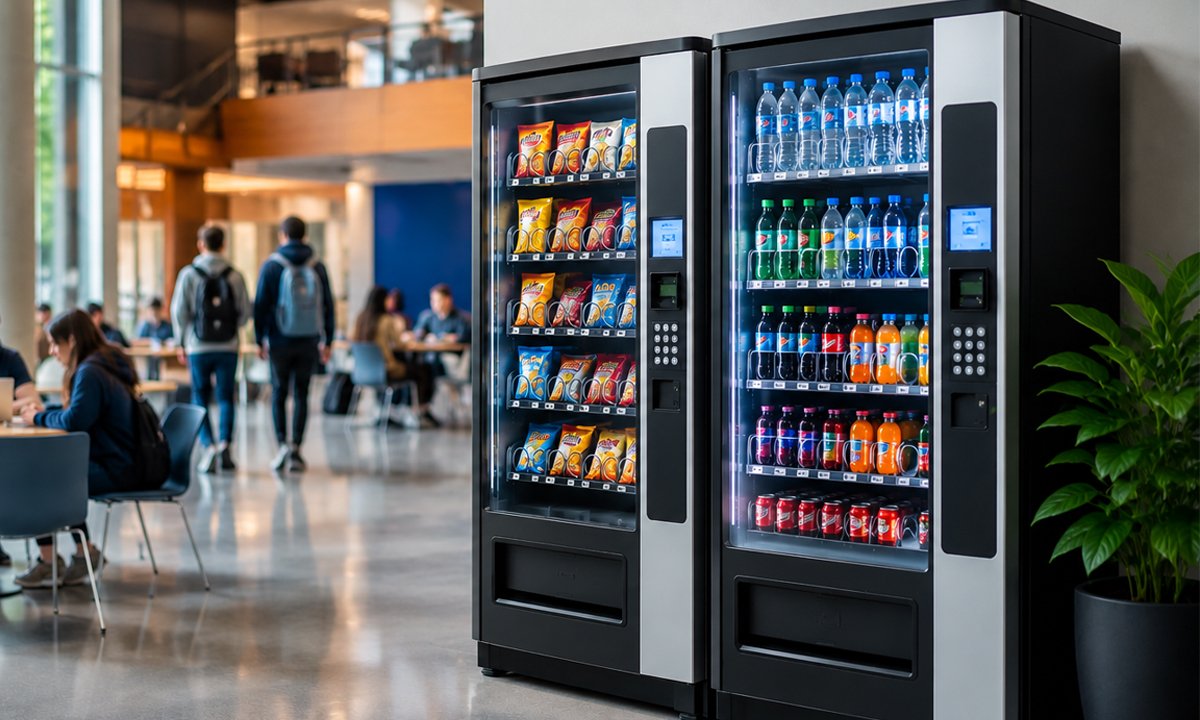
Universities operate like small cities. Students, faculty members, administrative staff, and visitors move across campuses throughout the day, creating constant demand for food, beverages, and convenient refreshment options. Meeting these needs efficiently can be challenging, especially when dining halls and cafeterias are not available around the clock.
This is where the modern vending machine has become an essential part of campus infrastructure. Today’s vending solutions are far more advanced than traditional snack dispensers. They provide students with convenient access to beverages, fresh meals, healthy snacks, and grab-and-go products while supporting the operational goals of universities.
As educational institutions continue investing in technology and student-focused services, smart vending solutions are becoming a valuable tool for improving convenience, accessibility, and campus life.
Why Universities Need Modern Vending Machine Services
University campuses are active environments that operate well beyond traditional business hours. Students often attend evening classes, participate in extracurricular activities, study late into the night, or live on campus full-time.
Because of these varying schedules, traditional dining facilities cannot always meet student needs. A strategically placed vending machine helps fill this gap by providing continuous access to refreshments and essential items.
Modern vending systems offer greater flexibility than many traditional food service options. Students can quickly purchase what they need without leaving academic buildings, residence halls, libraries, or recreation centers.
As campuses continue to expand, universities are recognizing that convenience plays a major role in the overall student experience.
Key Benefits of Vending Machine Services for Universities
Modern vending solutions provide several advantages for educational institutions.
- Convenient access to snacks and beverages throughout the day
- Reduced pressure on dining halls and food service operations
- Support for students with varying schedules and lifestyles
- Availability of healthier food and beverage options
- Improved campus convenience and accessibility
- Greater flexibility in high-traffic and remote campus locations
These benefits help universities enhance campus services while maintaining efficient operations.
The Evolution of Campus Food Services
Campus dining has changed significantly over the years. Students now expect greater convenience, healthier choices, and more flexible food options than ever before.
According to information from Wikipedia’s overview of food service, food service operations continue to evolve to meet changing consumer expectations and operational demands.
Universities are responding by expanding beyond traditional dining halls and introducing alternative solutions that improve accessibility. Vending machines play an important role in this evolution because they provide food access without requiring extensive staffing or facility expansion.
This approach allows institutions to offer refreshments in locations where full-service dining would not be practical.
How Smart Vending Solutions Improve Campus Experience
The latest generation of smart vending solutions goes beyond simple product dispensing. These systems use advanced technology to improve inventory management, payment processing, and user experience.
Modern machines can track inventory in real time, accept digital payments, and provide valuable consumption data. This allows universities to optimize product selection and ensure that popular items remain available.
Institutions looking to modernize campus refreshment programs often explore advanced ai vending machine services that combine convenience with intelligent technology.
These innovations help create a more responsive and efficient campus environment.
The Importance of Access to Fresh Food on Campus
One of the biggest challenges universities face is providing consistent access to fresh food across large campuses. Students frequently spend long hours attending classes, studying, and participating in campus activities.
When healthy food options are unavailable, students may turn to less nutritious alternatives or skip meals altogether. This can affect energy levels, concentration, and overall well-being.
The archived nutrition resources from the Centers for Disease Control and Prevention (CDC) emphasize the importance of healthy eating environments in educational settings.
Modern vending programs help address this need by offering fresh sandwiches, protein-rich snacks, fruit cups, salads, and other nutritious options that support healthier choices.
Cashless Vending Machines Are Transforming Campus Convenience
Students today are increasingly reliant on digital payment methods. Carrying cash is becoming less common, particularly among younger generations.
As a result, cashless vending machines have become a critical component of modern campus services. These machines support mobile wallets, contactless cards, and digital payment applications, making transactions quick and convenient.
The ability to complete purchases without cash improves accessibility and aligns with broader trends in digital commerce.
Universities that implement cashless systems often see higher usage rates because students can purchase products using the payment methods they already prefer.
Supporting Student Engagement Through Better Amenities
Campus amenities contribute significantly to the overall student experience. While academics remain the primary focus, convenience and accessibility also influence how students feel about their environment.
Providing refreshments in convenient locations demonstrates a commitment to student needs. Whether students are studying late in the library or attending events after regular dining hours, vending services help support daily campus life.
This contributes to stronger student engagement by creating a more supportive and accommodating campus environment.
Universities that prioritize convenience often experience higher levels of student satisfaction and retention.
How Technology Improves Vending Operations
Technology is playing an increasingly important role in the vending industry. Modern machines are equipped with monitoring systems that provide real-time inventory visibility, usage analytics, and automated service alerts.
These capabilities help operators maintain product availability while reducing operational inefficiencies.
Educational institutions can further strengthen these capabilities through advanced workplace and retail technology solutions that support inventory tracking, automation, and operational management.
The result is a more reliable and efficient refreshment system for students and staff.
Choosing the Right Products for University Campuses
Successful vending programs are built around understanding student preferences. Product selection should balance convenience, nutrition, and variety.
- Healthy snacks that support student wellness
- Fresh meal options for busy schedules
- Popular beverages and hydration products
- Energy-boosting snacks for study sessions
- Grab-and-go snacks for quick purchases
- Products that reflect changing consumer trends
A diverse selection helps ensure that vending services remain relevant and valuable across different student populations.
Learning from Modern Campus Refreshment Trends
Universities can benefit from examining broader trends in workplace and institutional refreshment services. Many of the technologies and strategies used in modern offices are also applicable to educational environments.
For example, the article The Benefits of Fresh Food Vending Machines for Workplace Productivity highlights how access to convenient food options can positively influence user experience and satisfaction.
While the context may differ, many of the same principles apply to students navigating busy academic schedules.
The Future of Vending Machine Services in Universities
The future of university vending services will be shaped by technology, personalization, and convenience. Artificial intelligence, inventory automation, and advanced payment systems are already changing how vending machines operate.
Future developments are likely to include smarter inventory management, personalized product recommendations, and expanded fresh food offerings.
As campuses continue embracing digital transformation, vending machines will become even more integrated into the student experience.
These advancements will help universities provide better service while maintaining efficient and cost-effective operations.
Conclusion
Modern vending machine services have become an essential part of university life. By improving access to fresh food, supporting student engagement, and delivering convenient grab and go snacks, vending solutions help meet the needs of today’s campus communities.
The rise of smart vending solutions and cashless vending machines has transformed vending from a simple convenience into a strategic campus resource. Combined with modern technology and thoughtful product selection, these systems enhance student satisfaction while supporting institutional goals.
As universities continue to prioritize convenience, accessibility, and innovation, vending machine services will remain a valuable component of the modern campus experience.