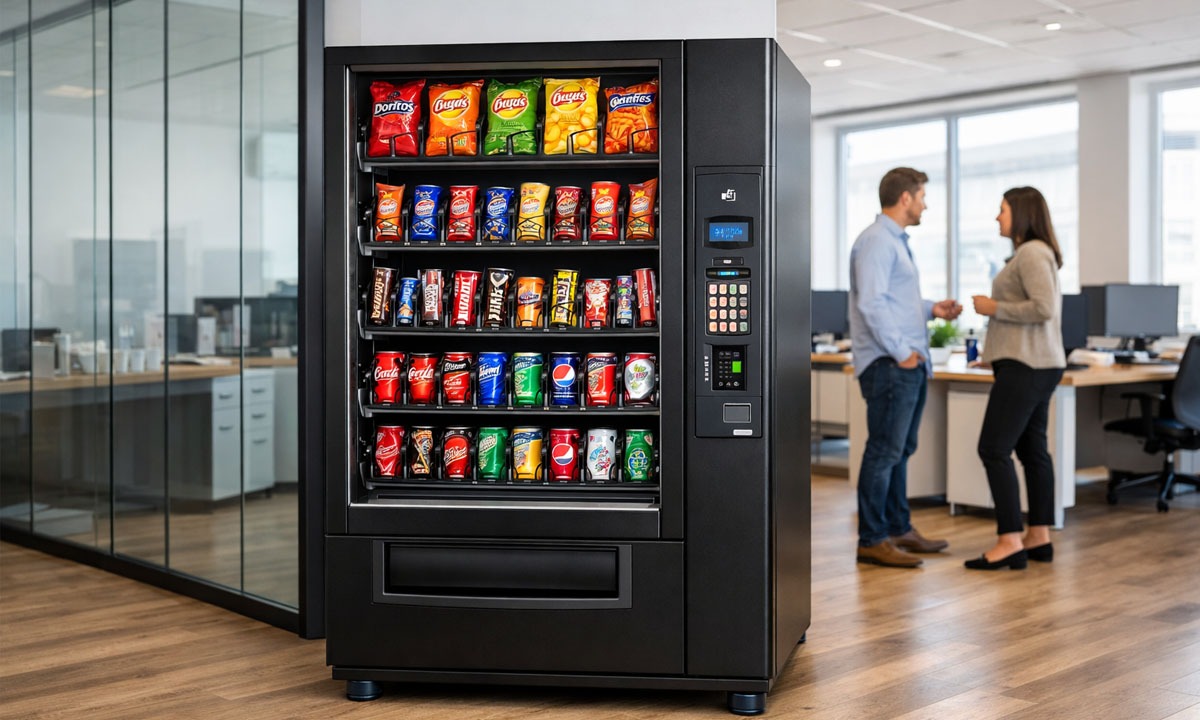
Snack vending machines remain one of the most reliable and scalable workplace amenities. While office cafeterias and micro markets continue to grow in popularity, traditional and modernized vending machines still play a critical role in meeting employee snack demand.
However, the real question companies should be asking is not whether they need vending machines, but rather what employees actually eat from them.
Understanding employee snack preferences, consumption trends, and health considerations helps businesses stock smarter, reduce waste, and improve workplace satisfaction. When aligned with modern workplace vending solutions, snack vending machines can become powerful tools for productivity and employee engagement.
Why Snack Vending Machines Still Matter in Offices
Despite the rise of autonomous retail and smart stores, vending machines continue to be a practical, cost-effective solution for offices of all sizes. They require minimal space, operate 24/7, and provide quick access to food without staffing requirements.
According to the general overview of vending machine systems, these automated retail units have evolved significantly over the decades from simple coin-operated dispensers to digitally connected, cashless systems with inventory tracking capabilities.
In modern offices, vending machines now include:
- Cashless payment options
- Contactless card readers
- Remote inventory monitoring
- Energy-efficient cooling systems
- Health-focused snack selections
Businesses investing in structured office vending services can tailor snack offerings based on employee demographics, shift schedules, and consumption patterns.
What Employees Actually Eat at Work
The assumption that employees only want chips and candy is outdated. Today’s workforce is increasingly health-conscious while still seeking convenience and indulgence in moderation.
1. Healthy Grab-and-Go Snacks
Protein bars, trail mix, nuts, and granola bars are among the top-performing items in office vending machines. Employees often prefer snacks that provide sustained energy rather than sugar spikes.
Nutritional awareness campaigns and workplace wellness initiatives have significantly influenced snack choices. Organizations like the International Food Information Council consistently highlight growing consumer interest in balanced snacking and mindful eating habits.
Because of this trend, vending machines that offer:
- Low-sugar protein bars
- Mixed nuts and almonds
- Dried fruit packs
- Greek yogurt-based snacks
tend to perform better in modern office environments.
2. Classic Comfort Snacks
While health trends are strong, traditional favorites still sell consistently. Employees continue purchasing:
- Potato chips
- Chocolate bars
- Cookies
- Crackers
The key is balance. Offices that completely eliminate comfort snacks often see reduced vending sales. A strategic mix of healthier options and familiar treats ensures higher satisfaction and steady usage.
3. Functional and Energy-Boosting Snacks
With longer work hours and hybrid schedules, employees look for snacks that support focus and productivity. Items such as:
- Energy bars
- Dark chocolate
- High-protein snacks
- Caffeinated beverages
are increasingly popular in vending machines.
Pairing snack vending machines with complementary services like office coffee service enhances the overall breakroom experience. Employees frequently purchase snacks alongside coffee, especially during mid-morning and mid-afternoon breaks.
4. Healthier Beverage Options
Snack vending performance is closely tied to beverage availability. Offices are seeing strong demand for:
- Sparkling water
- Low-sugar drinks
- Iced coffee
- Functional beverages
As hydration awareness grows, sugary sodas are gradually being replaced by alternatives perceived as healthier or more performance-oriented.
Data-Driven Snack Selection: Why It Matters
Modern vending machines are no longer static inventory boxes. With digital tracking and remote monitoring, employers and service providers can analyze purchasing trends in real time.
For example:
- If protein bars consistently sell out by Wednesday, stock levels can be adjusted.
- If certain chips remain unsold, they can be replaced with better-performing alternatives.
- Seasonal demand can be anticipated using historical data.
This data-driven approach minimizes waste and ensures that vending machines reflect actual employee preferences rather than assumptions.
For additional insight into how technology improves vending performance, you can explore vending machine technology trends in modern workplaces from your related blog content.
Generational Differences in Office Snack Preferences
Snack preferences often vary by workforce demographics.
Younger Employees (Gen Z & Millennials)
- Prefer plant-based snacks
- Choose organic or clean-label products
- Look for innovative flavors
Mid-Career Professionals
- Purchase energy-boosting snacks
- Prefer protein-based items
- Choose low-sugar alternatives
Senior Staff
- Tend to buy traditional snacks
- Prefer portion-controlled items
- Show interest in classic brands
Understanding these variations allows businesses to create a balanced snack vending strategy that meets diverse needs.
The Role of Snack Vending in Workplace Productivity
Access to convenient snacks plays a subtle but important role in productivity. When employees leave the office to purchase food, it results in:
- Lost time
- Reduced focus
- Workflow interruptions
Well-stocked snack vending machines reduce off-site trips and support shorter, more efficient breaks. This contributes to better time management and sustained energy levels throughout the day.
Additionally, providing quality snack options signals that the company values employee comfort and well-being. This can positively influence morale and retention.
Healthy Workplace Snacking Trends
Healthy snacking is no longer optional, it is expected. Offices are increasingly incorporating:
- Low-calorie snacks
- Gluten-free options
- Vegan-friendly products
- Reduced-sodium items
Companies that align vending offerings with wellness initiatives tend to see stronger employee engagement.
However, balance remains critical. Completely eliminating indulgent snacks can reduce vending usage. A hybrid model, offering both healthy choices and comfort snacks, produces the best performance results.
How to Optimize Snack Vending Machines for Offices
To maximize performance, offices should consider:
1. Conducting Employee Surveys
Ask employees what they prefer rather than guessing.
2. Monitoring Sales Data
Use digital vending technology to track top-selling items.
3. Rotating Seasonal Items
Introduce limited-time options to maintain interest.
4. Maintaining Variety
Ensure a mix of healthy, indulgent, and functional snacks.
5. Integrating with Other Breakroom Services
Combine snack vending with coffee and beverage services for a complete refreshment solution.
When implemented strategically, snack vending machines can become a core component of a modern workplace vending ecosystem.
The Future of Snack Vending in Offices
Snack vending machines are evolving alongside broader workplace retail trends. Future developments may include:
- AI-driven inventory forecasting
- Cashless and mobile-only payments
- Personalized snack recommendations
- Smart temperature monitoring for fresh items
As automation and data analytics continue improving, snack vending machines will become even more aligned with employee consumption habits. In fact, as highlighted in our blog on the benefits of fresh food vending machines for workplace productivity, modern vending solutions are already enhancing convenience, supporting healthier choices, and positively impacting employee performance.
Far from being outdated, vending machines remain a scalable and adaptable solution for offices of all sizes.
Final Thoughts
Snack vending machines for offices are not just about convenience, they are about understanding what employees actually eat and why. From protein bars and nuts to classic chips and chocolate, successful vending strategies balance health trends with familiar comfort options.
By combining data-driven inventory management, diverse snack selections, and complementary services like office coffee, businesses can create a workplace refreshment environment that supports productivity, satisfaction, and efficiency.
Companies that regularly evaluate employee preferences and update their snack offerings will see stronger vending performance, reduced waste, and improved overall workplace experience.