
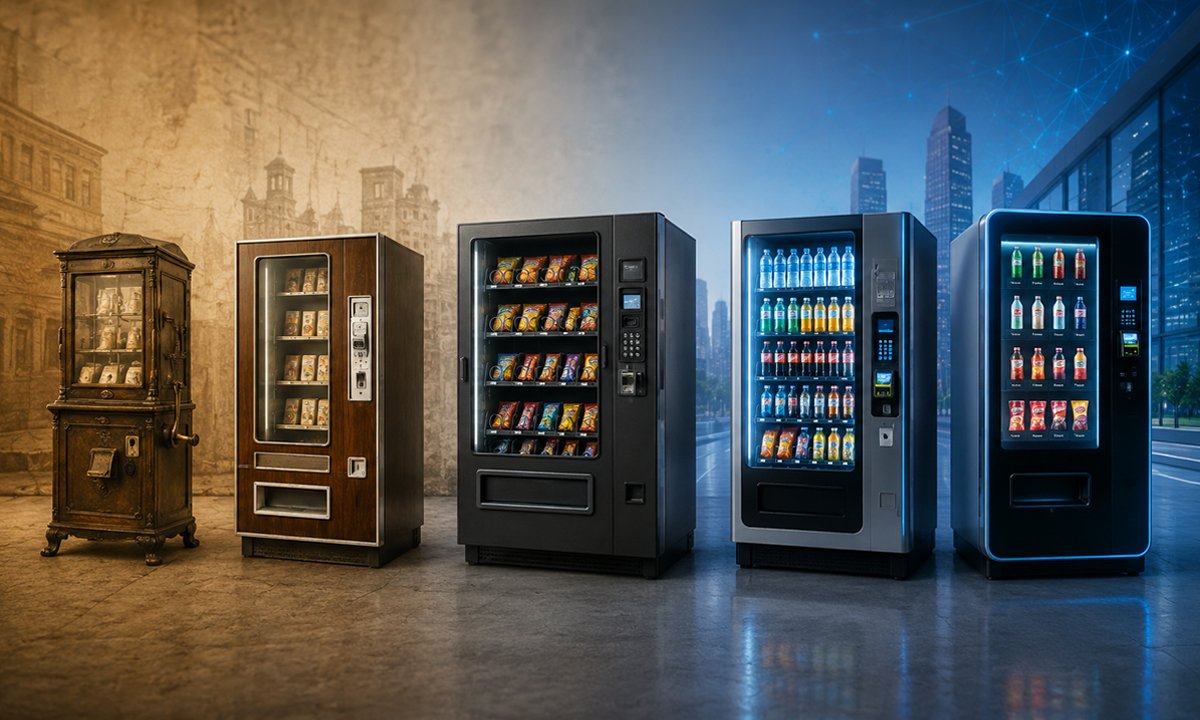
The story of vending machines is a fascinating journey through innovation, convenience, and technological progress. What began as a simple coin-operated device has evolved into a sophisticated retail system powered by artificial intelligence, digital payments, and real-time inventory tracking. Today, vending machines are found in offices, schools, hospitals, airports, and countless other locations worldwide.
As consumer expectations have changed, the vending industry has adapted by introducing smarter and more efficient solutions. The evolution of vending machines reflects broader advancements in retail technology and automation. From mechanical dispensers to modern self-service retail systems, vending machines continue to transform how people access products.
Understanding the history of vending machines provides valuable insight into how today’s advanced systems emerged and where the industry may be headed next.
The Origins of Vending Machines
The earliest known vending machine dates back nearly two thousand years. According to information from Wikipedia’s history of vending machines, the first documented machine was developed by Hero of Alexandria in ancient Egypt. The device dispensed holy water after a user inserted a coin, making it one of the earliest examples of automated retail.
Although simple by modern standards, this invention introduced a concept that would remain relevant for centuries: exchanging money for a product without direct human involvement.
For many years, vending technology remained limited. It was not until the late nineteenth century that commercial vending machines began appearing in larger numbers, particularly in Europe and the United States.
Key Milestones in the Evolution of Vending Machines
- Ancient coin-operated dispensers introduced automated transactions.
- Late 1800s machines sold postcards, gum, and small consumer goods.
- Early twentieth-century machines expanded into food and beverage sales.
- Mid-century vending systems became common in workplaces and public spaces.
- Electronic payment systems emerged during the digital era.
- Modern machines now incorporate AI, automation, and smart analytics.
Each stage of development contributed to the transformation of vending into a highly sophisticated retail channel.
The Rise of Commercial Vending
During the late nineteenth and early twentieth centuries, vending machines became increasingly popular because they provided convenient access to everyday products. Manufacturers recognized the potential to sell goods without requiring a full-time cashier.
According to historical research published by ThoughtCo, some of the earliest commercial vending machines distributed postcards, chewing gum, and other small items. As technology improved, machines began dispensing beverages, snacks, and cigarettes.
The growing popularity of vending machines reflected changing consumer behavior. People valued convenience, speed, and accessibility, qualities that continue to drive vending innovation today.
Businesses also appreciated the ability to provide products with minimal staffing requirements, making vending machines an attractive solution for high-traffic environments.
How Vending Machines Became Workplace Essentials
By the middle of the twentieth century, vending machines had become a common feature in offices, factories, and educational institutions. They provided employees and visitors with quick access to refreshments throughout the day.
Organizations increasingly viewed vending services as a way to improve convenience while supporting productivity. Workers no longer needed to leave the workplace for snacks and beverages, reducing downtime and improving overall efficiency.
Today, businesses seeking modern refreshment solutions often explore ai vending services that offer significantly more capabilities than traditional machines.
This workplace adoption laid the foundation for many of the innovations that followed in later decades.
The Impact of Vending Machine Technology
Advancements in vending machine technology dramatically changed how machines operated and interacted with consumers. Mechanical systems gradually gave way to electronic controls, improving reliability and functionality.
Digital displays, advanced refrigeration, and computerized inventory systems allowed operators to manage machines more effectively. These improvements also enhanced the customer experience by providing better product availability and more intuitive interfaces.
As technology progressed, vending machines evolved from simple dispensers into intelligent retail platforms capable of collecting and analyzing operational data.
The industry increasingly embraced automation as a way to improve service quality while reducing maintenance and management challenges.
The Shift Toward Contactless and Digital Payments
One of the most significant changes in modern vending has been the rise of the contactless vending machine. Consumers now expect payment experiences that are fast, secure, and convenient.
Cash-only transactions are becoming less common as mobile wallets, contactless cards, and digital payment platforms gain widespread adoption. Modern vending machines are designed to support these preferences, allowing users to complete purchases quickly without handling cash.
The adoption of digital payments has also improved operational efficiency for vending operators by reducing cash collection requirements and enhancing transaction visibility.
This shift represents one of the most important milestones in the ongoing evolution of vending technology.
Features Driving Modern Smart Vending Machines
- Cashless and contactless payment capabilities
- Real-time inventory monitoring
- Remote machine management
- Product performance analytics
- Energy-efficient operation
- Automated maintenance alerts
These innovations have helped transform traditional vending into a data-driven retail solution capable of meeting modern consumer expectations.
The Emergence of AI Vending Machines
Recent advancements in artificial intelligence have introduced a new generation of AI vending machines. These systems can analyze purchasing behavior, monitor inventory levels, and improve product availability through predictive insights.
AI technologies enable machines to make smarter decisions regarding product selection, restocking schedules, and operational performance. As a result, operators can reduce waste while improving customer satisfaction.
Organizations investing in advanced refreshment systems frequently pair vending solutions with broader ai technology platforms that support automation and operational visibility.
The integration of AI marks a significant step forward in the development of vending systems.
How Smart Vending Machines Are Changing Retail
Modern smart vending machines offer a significantly different experience compared to earlier generations. They function as miniature retail environments that combine convenience, automation, and digital intelligence.
Consumers can browse products more easily, complete transactions using multiple payment methods, and enjoy greater product variety. Operators benefit from real-time performance data and improved inventory control.
The evolution of vending technology has raised expectations across the industry. Businesses looking for vending service Memphis providers or reliable vending supply Memphis solutions often seek systems that combine convenience, automation, and modern payment capabilities.
The focus has shifted from simply dispensing products to creating a more engaging and efficient retail experience.
Learning from Today’s Retail Innovations
The latest advancements in vending technology continue to influence broader workplace and retail environments. Organizations seeking to understand these developments can explore Vending Machine Technology Trends You Need to Know in 2025, which examines emerging innovations shaping the future of automated retail.
These trends demonstrate how quickly the industry is evolving and why technology remains central to future growth.
Conclusion
The history of vending machines is a story of continuous innovation. From ancient coin-operated devices to modern digital retail systems, vending technology has consistently adapted to changing consumer expectations and technological advancements.
The evolution of vending machines has introduced smarter payment methods, advanced analytics, AI-driven capabilities, and improved user experiences. Today’s smart vending machines and AI vending machines represent the latest chapter in a journey that began thousands of years ago.
As automation continues advancing, vending machines will likely become even more intelligent, connected, and responsive. Their transformation from simple dispensers to sophisticated retail platforms demonstrates the enduring value of convenience and innovation in modern commerce.