
It is 12:05. A meeting ran long, the inbox is full, and lunch suddenly feels like another task. Some employees brought food from home. Others must leave the office, wait for an order, and return before their break ends.
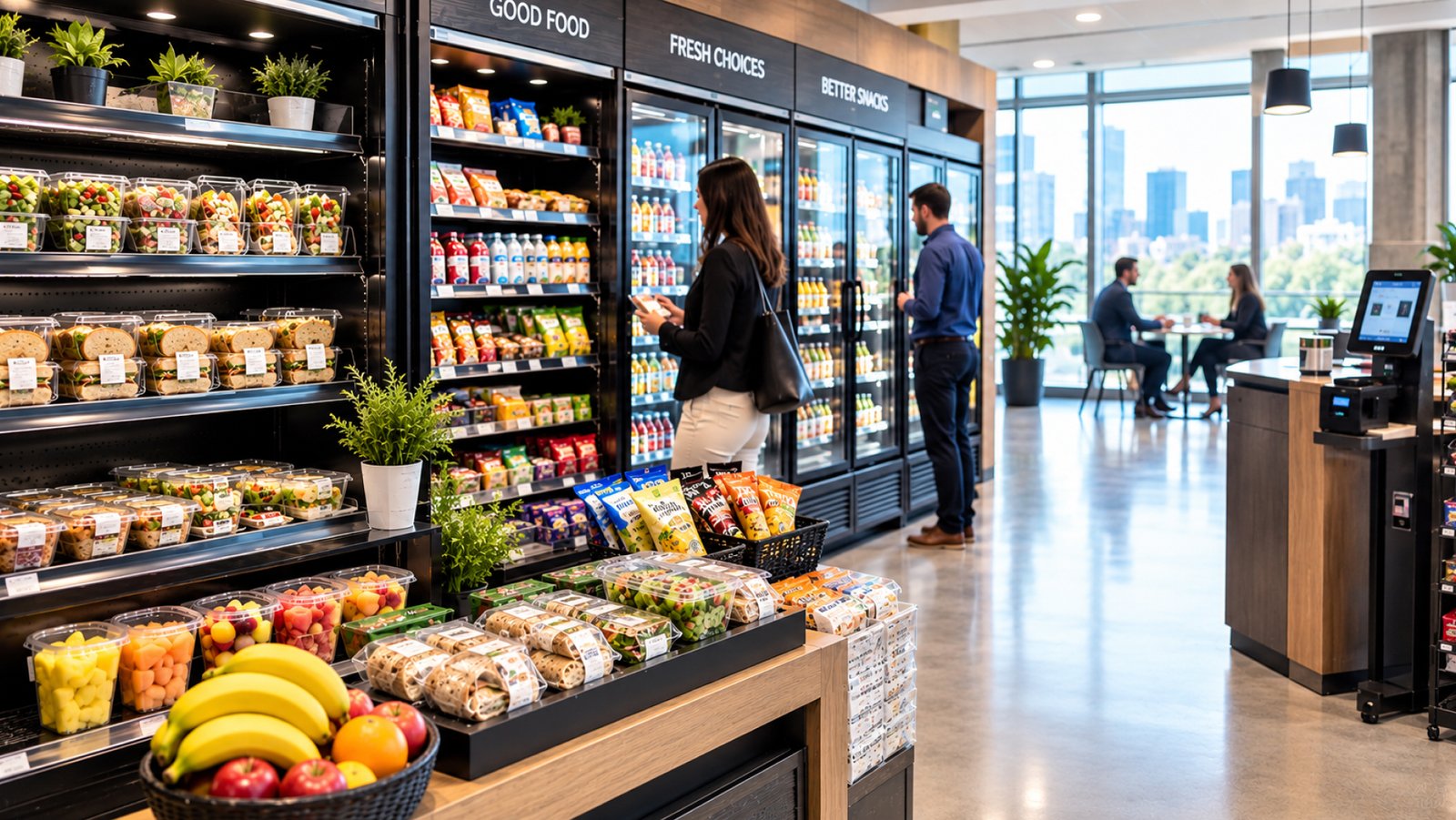
For busy Memphis workplaces, having grab-and-go lunch options on-site gives employees another choice. Fresh meals, snacks, and drinks remain available without a separate restaurant trip or advance order.
The challenge is building a selection people want to eat while managing freshness, food safety, variety, and convenience.
Why Busy Offices Need Grab-and-Go Lunch Options
Leaving for lunch involves more than eating. Employees may need to walk to the car, drive, order, wait, and return to work. An on-site food option removes many of those steps.
Employees can choose a meal when their schedule allows, whether that is noon, between meetings, or during a later shift. This flexibility is especially useful in workplaces where teams follow different schedules.
On-site food can also serve employees working early mornings, evenings, or overnight, when nearby restaurants may be closed or offer limited choices.
What Makes a Good Grab-and-Go Lunch?
A useful program offers more than packaged snacks. Employees looking for lunch generally need something substantial enough to work as a meal. Sandwiches, wraps, protein salads, grain bowls, yogurt, fruit, and similar refrigerated options can create a balanced selection.
Variety matters too. If the same few products appear every week, employees may stop checking the cooler. Rotating selections can keep the menu interesting while sales data helps identify which items people actually buy.
The CDC Food Service Guidelines provide a framework for organizations that want to make healthier food and beverage choices more accessible. They address product selection, placement, labeling, and other food-service practices.
That does not mean every item must fit one definition of “healthy.” The goal is to provide practical choices for different tastes and dietary needs.
Healthy Meals Still Need to Be Appealing
Putting a salad in the cooler does not guarantee someone will choose it. Healthy meals still need to look fresh, taste good, fit the workplace budget, and be convenient to eat.
Placement can also affect what employees notice. Fruit, salads, sandwiches, protein-based meals, snacks, and drinks should be organized clearly rather than crowded together.
Research published in the International Journal of Behavioral Nutrition and Physical Activity found that employees’ perceptions of limited fruit and vegetable availability reflected the lack of healthier choices in the workplaces studied. While every workplace is different, the findings support making varied options visible and accessible.
Fresh Food Requires Proper Handling
Refrigerated meals make food safety part of the workplace setup. Sandwiches, salads, dairy products, cut produce, and other perishable items require appropriate storage, handling, and temperature control.
The FDA Food Code provides a model for food-safety practices used by regulatory agencies. A workplace provider should have a clear process for refrigerated transportation, product dating, inventory rotation, temperature monitoring, and removing food that should no longer be sold.
Regular restocking matters for quality as well. The aim is to keep enough fresh food available without overfilling coolers with products that may expire before they sell.
Local Meal Preparation and Restocking
Where meals are prepared and how they reach the workplace are worth asking about. A local program can help a provider coordinate preparation, delivery, and inventory across nearby locations, but businesses should still understand the complete process.
January Service Company’s guide to the Memphis Culinary Center and fresher workplace meals explains how its local culinary program supports food offered through Memphis breakroom services.
Ask where meals come from, how often inventory is refreshed, and how the provider handles unsold or expired products.
Grab-and-Go Meals vs. Office Lunch Delivery
Restaurants, caterers, grocery stores, and workplace food providers solve different problems.
Restaurant pickup gives employees freedom to choose a destination but still requires leaving the workplace. Traditional office lunch delivery works well for meetings or scheduled team meals, although employees may need to order in advance and eat around the delivery time.
A stocked workplace setup keeps meals available throughout the day. Employees can choose food when their own schedules permit, which is helpful when lunch times vary across departments or shifts.
Micro Markets and Vending Options
A micro market turns part of a breakroom into a small self-service store. Employees can browse open shelves and refrigerated cases before checking out through a self-service payment system.
This format can support a wider selection of grab-and-go lunch options, snacks, and beverages. January Service Company’s micro market service is designed for Memphis workplaces that want a managed self-service food and beverage area.
Not every workplace needs a full micro market. Offices with limited space or smaller teams may benefit from modern vending services instead. If fresh meals are important, ask specifically about refrigeration, inventory monitoring, restocking frequency, and product rotation.
The right format depends on headcount, space, operating hours, food preferences, and expected demand.
Questions to Ask a Workplace Food Provider
Before choosing a provider, ask how the initial menu is selected and how often the workplace will be restocked. Find out what happens to expired or unsold food and how refrigerated items are transported and stored.
Equipment support matters too. Ask what happens if a cooler stops maintaining the correct temperature or a payment system fails. Employees should also be able to understand the checkout process without needing help with every purchase.
Finally, ask how the menu changes over time. Sales information and employee feedback can help the provider keep popular products available and replace items that consistently go unsold. A short employee survey can provide a useful starting point.
Why Choose January Service Company?
January Service Company has served Memphis and Mid-South workplaces since 1982. Its workplace refreshment programs can include fresh food, micro markets, vending, coffee, water, equipment service, and ongoing restocking.
Working with one local provider can reduce the number of deliveries and service contacts an office manager must coordinate. The program can also be adjusted as employee preferences, schedules, or headcount change.
Make Lunch More Convenient for Your Memphis Team
The best grab-and-go lunch options are accessible, varied, properly stored, and matched to the people using them. One workplace may need refrigerated vending with sandwiches, salads, and drinks. Another may benefit from a larger micro market with meals, snacks, beverages, and self-service checkout.
Start with your headcount, available space, employee schedules, preferred foods, and service expectations. From there, choose a program that provides useful options without making food management another job for your internal team.
Call January Service Company at (901) 373-4433 to discuss convenient food and refreshment options for your Memphis workplace.