
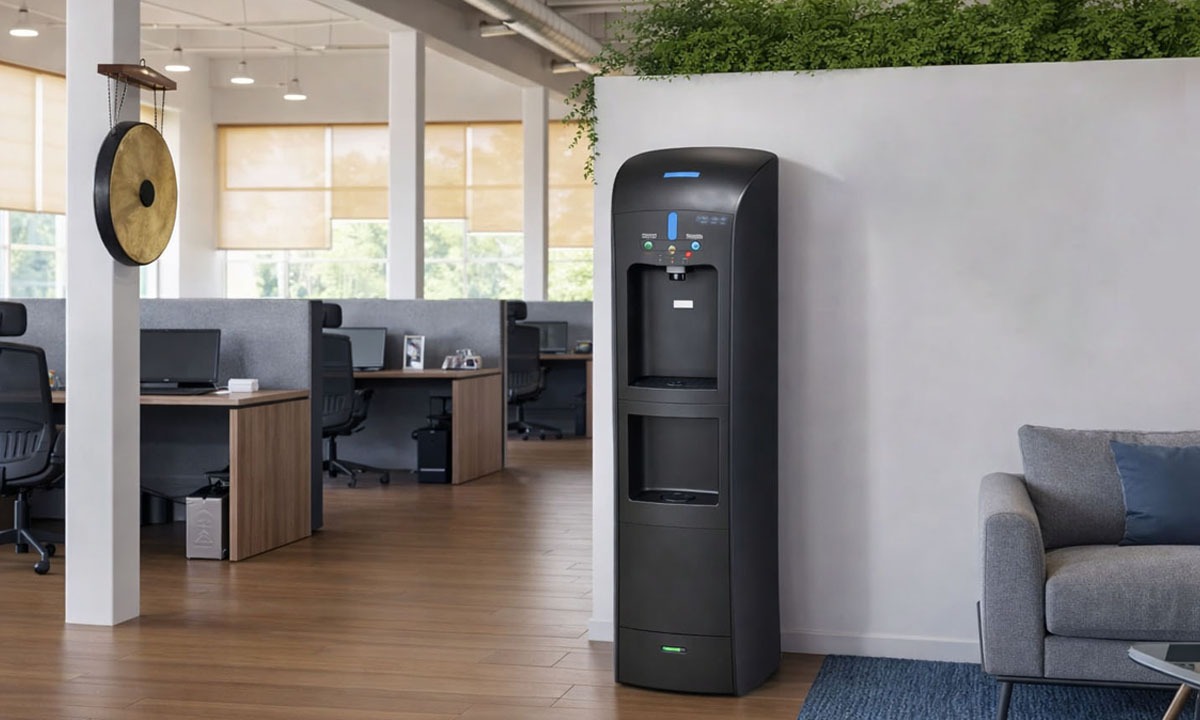
Workplace hydration has become a growing priority for companies that want to support employee health, sustainability, and operational efficiency. Traditionally, many offices relied on bottled water deliveries to meet their daily hydration needs. However, this approach often created logistical challenges, unnecessary waste, and higher long-term costs.
Today, organizations are shifting toward filtered water systems as a smarter and more sustainable office hydration solution. Modern filtration technologies deliver clean, great-tasting water directly from the tap while eliminating the need for plastic bottles and frequent deliveries.
As businesses look for better office hydration solutions, filtered systems are quickly replacing traditional bottled water programs. These modern systems offer convenience, improved water quality, and a more eco-friendly way to keep employees hydrated throughout the workday.
In fact, according to research on <a href=”https://en.wikipedia.org/wiki/Bottled_water”>bottled water</a>, the global bottled water industry generates billions of plastic containers each year. This growing environmental concern has encouraged many workplaces to explore more sustainable alternatives like advanced filtration systems and eco-friendly water dispensers for offices.
Companies implementing modern hydration technology are also integrating systems that monitor usage, track maintenance needs, and improve water purity. Many businesses are now combining filtration with smart infrastructure, similar to the workplace automation technologies discussed in modern workplace retail technology solutions .
Benefits of Filtered Water Systems in Office
One of the biggest reasons companies are replacing bottled water with filtration technology is the wide range of operational and environmental benefits these systems provide.
1. Reduced Plastic Waste
Plastic bottle waste has become a serious environmental concern for businesses that want to meet sustainability goals. Bottled water requires transportation, storage, and disposal of large numbers of plastic containers.
Filtered water systems eliminate the need for bottled deliveries, helping offices reduce plastic consumption and support environmentally responsible operations.
Businesses implementing filtration technology often view it as part of a broader sustainability strategy that includes energy-efficient equipment and modern workplace amenities.
2. Lower Long-Term Costs
Although bottled water may appear convenient initially, ongoing delivery costs, storage space, and bottle management can become expensive over time.
Installing the best water filtration systems for office environments allows companies to provide unlimited drinking water without recurring delivery fees. This makes filtration systems a cost-effective investment for organizations of all sizes.
3. Continuous Water Availability
One of the biggest frustrations with bottled water programs is running out of water between deliveries. Offices must constantly monitor supply levels and schedule replacements.
Filtered systems provide a continuous source of pure hydration water, ensuring employees always have access to fresh drinking water without interruptions.
Additionally, these systems often include advanced cooling or heating functions, allowing employees to quickly access cold or hot water for beverages.
4. Cleaner Workplace Environment
Bottled water deliveries require storage areas, bottle racks, and frequent handling of heavy containers. Over time, this can create clutter in breakrooms or office kitchens.
Filtered systems eliminate bulky bottle storage and provide a streamlined hydration station that fits neatly into modern office breakrooms.
Regular maintenance also helps ensure sanitation and performance. Offices that already maintain hydration systems can benefit from resources like water cooler cleaning tips and maintenance best practices to keep equipment operating efficiently.
5. Better Sustainability and Corporate Responsibility
Companies today are increasingly focused on environmental responsibility and reducing their carbon footprint. Bottled water requires transportation, manufacturing, and disposal processes that contribute to environmental impact.
Switching to filtered water systems significantly reduces waste and transportation emissions, making it an ideal solution for organizations looking to build more sustainable workplaces.
For companies seeking water filtration service in Memphis, installing modern filtration equipment provides both environmental and operational advantages.
Health Benefits of Drinking Filtered Water
Beyond convenience and sustainability, one of the most important advantages of filtration systems is improved drinking water quality.
Access to clean, filtered water plays a critical role in supporting employee health and workplace productivity.
1. Removal of Impurities and Contaminants
Advanced filtration systems are designed to remove contaminants that may affect water taste, smell, or quality. These systems often filter out chlorine, sediment, and other impurities commonly found in untreated water supplies.
The CDC’s guidance on choosing water filters highlights how certified filtration systems can significantly improve drinking water safety and quality in homes and workplaces.
This ensures employees have access to cleaner and healthier hydration throughout the day.
2. Encouraging Better Hydration
When water tastes better, people are more likely to drink it regularly. Filtered water systems improve taste and freshness, encouraging employees to stay hydrated throughout the workday.
Proper hydration helps support concentration, energy levels, and overall wellness in the workplace.
Many companies are now integrating filtered water stations into breakrooms as part of broader workplace wellness initiatives.
3. Supporting Workplace Wellness Programs
Employee wellness programs increasingly focus on nutrition, hydration, and healthy workplace habits. Providing access to filtered drinking water supports these initiatives by encouraging healthier beverage choices.
Instead of sugary drinks or sodas, employees can easily access clean water for hydration.
Filtered water also pairs well with other workplace refreshment solutions, including snack services, coffee stations, and breakroom markets.
4. Consistent Water Quality
Bottled water quality can vary depending on storage conditions, transportation, and handling. Bottles left in warm environments may also affect taste or quality.
Filtered systems provide consistently treated water using built-in purification technologies, delivering ultra pure water solutions directly from the source.
Businesses investing in modern office hydration solutions can rely on filtration systems to maintain consistent water quality without worrying about bottle storage conditions.
Why Offices Are Moving Toward Modern Water Filtration Solutions
The shift away from bottled water reflects broader changes in workplace infrastructure. Businesses are increasingly adopting technologies that reduce waste, improve efficiency, and support employee well-being.
Filtered water systems align with these goals by providing an environmentally responsible, cost-effective, and health-focused hydration option.
Industry research also shows that filtered water can provide multiple advantages over bottled water, including convenience, sustainability, and reduced environmental impact. For example, resources discussing the benefits of filtered water compared to bottled water highlight how filtration systems help eliminate plastic waste while delivering fresh drinking water on demand.
In addition, companies looking to upgrade their hydration infrastructure often integrate filtration systems with modern breakroom services. Businesses exploring office water filtration solutions can learn more about workplace hydration systems through professional office water services and filtration solutions designed for corporate environments.
These systems provide employees with easy access to clean drinking water while helping organizations reduce environmental impact and improve workplace sustainability.
The Future of Workplace Hydration
As companies continue improving workplace environments, hydration systems are becoming an essential part of modern office design. Businesses now recognize that providing high-quality drinking water contributes directly to employee wellness, productivity, and satisfaction.
Filtered water systems represent a long-term solution that addresses both environmental concerns and operational efficiency. By eliminating bottled deliveries and implementing smart filtration technologies, companies can create a healthier and more sustainable workplace.
For organizations seeking modern eco-friendly water dispensers for office environments, filtration systems offer the perfect balance of convenience, sustainability, and performance.
As more workplaces transition away from bottled water, filtered systems will continue to play a key role in shaping the future of workplace hydration.