High-turnover companies face constant challenges related to employee satisfaction, productivity, and workplace culture. Industries such as healthcare, manufacturing, retail, customer service, and logistics often experience rapid workforce changes that affect morale and operational consistency.
While businesses typically focus on compensation and scheduling when addressing turnover, many overlook a factor that significantly influences daily employee experience: the workplace breakroom.
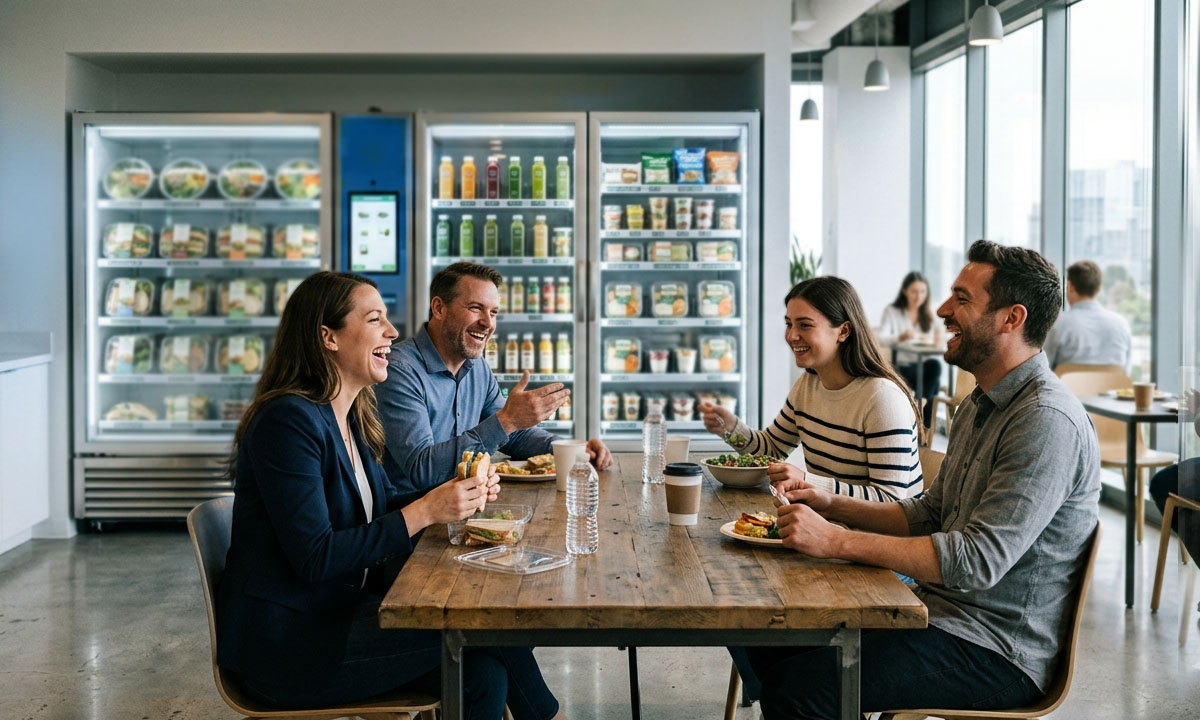
Modern breakroom solutions are no longer limited to vending machines and coffee stations. Today, companies are using workplace refreshment spaces to improve employee engagement, reduce stress, and create a more supportive work environment.
For businesses struggling with retention and workplace morale, improving the breakroom experience can have a measurable impact on employee satisfaction and long-term workforce stability.
Why Employee Experience in the Workplace Matters
Employees spend a significant portion of their day at work, especially in industries with long shifts and physically demanding environments. Small workplace experiences often shape how employees feel about their organization overall.
A poorly maintained breakroom can contribute to frustration and workplace dissatisfaction. In contrast, a modern and well-managed refreshment space creates a more comfortable and supportive environment for employees.
This is especially important in high-turnover industries where companies compete to improve the overall employee experience in the workplace.
According to insights from Wikipedia’s explanation of employee retention, organizations improve retention by creating work environments that support employee satisfaction and engagement.
Breakrooms may seem like small operational details, but they contribute directly to how employees perceive workplace culture.
The Connection Between Breakrooms and Workplace Productivity
Employee energy levels, focus, and morale directly influence workplace productivity. When employees lack convenient access to refreshments, hydration, or comfortable break spaces, productivity can decline throughout the workday.
Modern breakroom systems help employees recharge physically and mentally during demanding shifts. Convenient access to snacks, beverages, and healthier refreshment options improves both efficiency and employee comfort.
Companies implementing micro market solutions are increasingly using workplace refreshment spaces to support productivity and improve daily employee experience.
This investment becomes particularly valuable in high-turnover environments where employee burnout is more common.
How Workplace Stress Impacts Retention
Stress is one of the biggest contributors to employee dissatisfaction and turnover. Fast-paced workplaces often create mental and physical fatigue that affects both performance and morale.
According to insights from the CDC’s workplace stress research, workplace stress can negatively impact employee health, productivity, and organizational performance.
Breakrooms provide employees with opportunities to decompress and reset during busy workdays. Comfortable refreshment areas encourage employees to take meaningful breaks that support mental recovery and focus.
Businesses that prioritize employee comfort often experience stronger workforce stability and higher engagement levels.
What Employees Expect From Modern Breakroom Solutions
Employee expectations have evolved significantly in recent years. Workers now expect workplaces to provide convenient, modern, and wellness-focused amenities.
Features employees value in modern breakrooms include:
- Healthy snack and beverage options
- Comfortable seating and social spaces
- Smart vending and self-service refreshment systems
- Fresh coffee and hydration stations
- Clean and organized environments
- Fast and convenient access during short breaks
These features help employees feel more supported and appreciated throughout the workday.
Modern breakroom solutions are becoming part of broader employee experience strategies focused on improving morale and workplace satisfaction.
Office Refreshment Systems Support Workforce Retention
Employee turnover creates operational disruptions, hiring costs, and productivity losses for businesses. Organizations are increasingly investing in workplace amenities that improve retention and strengthen workplace culture.
A professionally managed office refreshment system can contribute to a more positive employee experience by making the workday more convenient and comfortable.
Businesses adopting smart workplace refreshment systems can provide employees with easier access to food, beverages, and snacks while improving operational efficiency.
When employees feel valued through workplace amenities, they are often more engaged and committed to staying with the organization.
Healthy Food Choices Improve Employee Well-Being
Nutrition plays an important role in workplace performance and employee wellness. Employees working long shifts need access to healthier refreshment options that support energy and focus throughout the day.
According to insights from the World Health Organization’s healthy diet research, balanced nutrition contributes to better overall health and improved daily performance.
Modern breakroom programs increasingly include healthier snack choices, hydration systems, and fresh food options designed to support workplace wellness.
This shift reflects broader workplace trends focused on employee health and long-term well-being.
The Social Impact of Breakroom Spaces
Breakrooms are not only functional spaces. They also support social interaction and team culture.
Employees often build stronger workplace relationships during casual conversations in shared refreshment spaces. These interactions help improve collaboration, communication, and workplace morale.
In high-turnover companies, creating opportunities for social connection can strengthen employee engagement and improve organizational culture.
Well-designed breakroom environments also create a sense of consistency and comfort that employees value during stressful workdays.
Smart Technology Is Transforming Workplace Breakrooms
Modern breakroom environments are increasingly powered by automation and connected technology systems.
Advanced breakroom technologies now include:
- Smart vending machines with automated inventory tracking
- Contactless payment systems
- Real-time inventory monitoring
- Self-service micro market technology
- AI-powered product recommendations
- Automated replenishment systems
These innovations improve convenience while reducing operational workload for businesses.
Organizations interested in modernizing workplace amenities can also explore employee wellness-focused pantry solutions that combine smart technology with workplace refreshment services.
Why High-Turnover Companies Benefit Most From Better Breakrooms
Companies experiencing high turnover often operate in physically demanding or fast-paced industries where employees face long hours and repetitive stress.
In these environments, breakroom quality can significantly influence how employees feel about their workplace experience.
Small improvements such as healthier snacks, better coffee, comfortable seating, and modern refreshment systems can create noticeable improvements in morale.
Employees who feel cared for are more likely to remain engaged and committed to their employer.
Although breakroom upgrades alone will not solve turnover challenges entirely, they contribute to a larger workplace culture focused on employee support and satisfaction.
The Future of Workplace Breakroom Solutions
As employee expectations continue evolving, businesses will invest more heavily in smarter and more personalized breakroom environments.
Future workplace refreshment systems may include AI-driven inventory planning, personalized food recommendations, wellness tracking integration, and fully automated self-service environments.
Breakrooms will continue evolving from simple convenience spaces into important components of workplace culture and employee engagement strategies.
Businesses that recognize the importance of employee experience will be better positioned to attract and retain talent in competitive labor markets.
Conclusion
In high-turnover industries, workplace experience matters more than ever. Employees increasingly value workplaces that prioritize comfort, convenience, and well-being throughout the workday.
Modern breakroom solutions help businesses improve employee satisfaction, reduce stress, and support stronger workplace culture. From healthier refreshment options to smart self-service technology, breakrooms now play an important role in enhancing the overall employee experience in the workplace.
By investing in modern refreshment environments, businesses can improve workforce retention, support workplace productivity, and create more positive daily experiences for employees.
As workplace expectations continue changing, organizations that prioritize employee-focused amenities will gain a stronger competitive advantage in retention and engagement.