
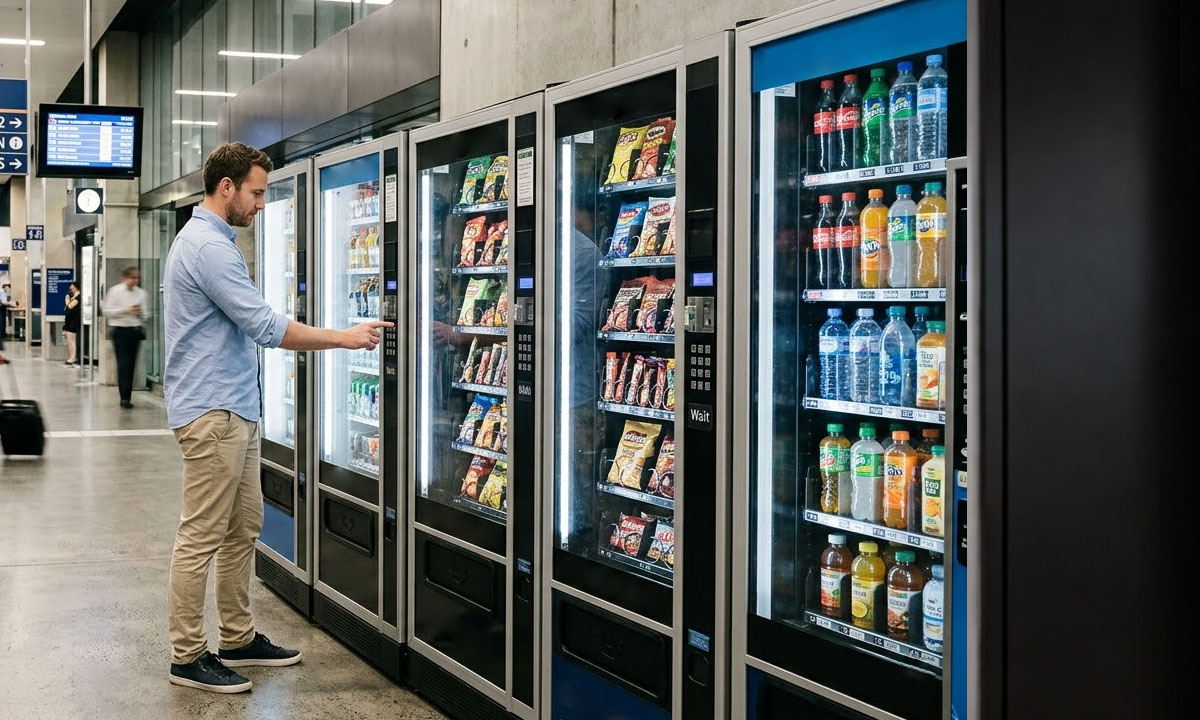
Strategically placing vending machines is more than just picking a corner in a building. The right location can significantly impact sales, reduce waste, and increase customer satisfaction. To maximize effectiveness, operators must consider foot traffic patterns, demographics, and consumer demand. By understanding these factors, businesses can ensure that vending machines deliver consistent revenue while meeting the needs of their audience.
From corporate offices to shopping malls and educational facilities, careful placement ensures machines are convenient, visible, and stocked with items that appeal to the local population. Modern vending machines are now smart, data-driven solutions that require research and strategy to unlock their full potential.
Understanding Foot Traffic for Vending Machine Placement
Foot traffic refers to the number of people passing through an area during a given time. High-foot-traffic zones naturally increase the likelihood of transactions. Identifying these areas is critical when deciding where to place machines.
Examples of high-foot-traffic zones include:
- Office lobbies and reception areas
- Near elevators or stairwells
- Main hallways in schools or universities
- Food courts or break areas in malls
Data from foot traffic sensors, Wi-Fi tracking, or even manual observation can help operators determine the busiest locations. Placing machines in these zones increases visibility and ensures higher usage. For a deeper understanding of how pedestrian flow affects retail, refer to walkability studies.
Considering Demographics and Consumer Preferences
A critical factor beyond foot traffic is demographics. Age, income, lifestyle, and occupation all affect the types of products consumers are likely to purchase. For example:
- Young professionals in corporate offices may favor energy drinks, healthy snacks, and protein bars.
- Manufacturing or warehouse employees might prefer hearty snacks, bottled water, and caffeinated beverages.
- Retail shoppers often respond to seasonal items, limited-time offers, or trending snacks.
Understanding demographics ensures that vending machines carry items your audience actually wants, reducing unsold products and waste. To explore demographic insights and trends, see demography research.
High-Demand Locations for Vending Machines
1. Corporate Offices and Breakrooms
Office breakrooms are one of the most common and effective locations for vending machines. Employees appreciate convenient access to snacks and drinks without leaving the building.
Strategically placed machines in breakrooms, near conference rooms, or along high-traffic hallways help maintain productivity. Providing healthy and indulgent options ensures a wide appeal.
For companies looking to expand convenience beyond traditional vending, integrating micro-market solutions can enhance offerings and create a more retail-like experience within the workplace. Learn more about these solutions from our micro-markets.
2. Manufacturing Facilities and Factories
Employee areas in manufacturing plants or warehouses are ideal vending machine locations. Time-clock areas, cafeterias, and break zones are excellent for quick snack and beverage access.
Products in these settings should cater to high-energy requirements: protein bars, bottled water, coffee, and other convenience items. Proper placement reduces downtime, as employees do not need to leave the facility to get refreshments.
3. Educational Institutions
Schools, universities, and training centers have predictable peak traffic times. Placing vending machines near entrances, cafeterias, or student lounges ensures accessibility.
Healthy snack options, water, and energy drinks appeal to students or staff needing a quick recharge. Understanding the specific population, such as students’ dietary preferences, helps improve product selection and reduce wasted stock.
4. Shopping Malls and Retail Spaces
Malls are ideal locations for impulse purchases. Placing machines near entrances, escalators, or rest areas captures foot traffic effectively.
Smart vending machines with cashless payment options allow customers to purchase items quickly, increasing transaction volume. For insights on how vending technology integrates with broader retail systems, see our vending services.
5. Healthcare and Wellness Facilities
Hospitals, clinics, and wellness centers benefit from vending machines in waiting areas. Visitors and staff have quick access to snacks and beverages, including healthier options like bottled water, juices, and fresh fruit.
Aligning product offerings with the wellness-focused environment enhances satisfaction and supports the facility’s health-oriented mission.
6. Gyms and Fitness Centers
Fitness centers and gyms have high-traffic areas near entrances, locker rooms, or reception zones. Vending machines here should focus on protein shakes, energy bars, and hydration products.
Proper placement ensures customers can quickly refuel before or after workouts, improving overall customer satisfaction.
Matching Product Demand with Location
Placement is only half the equation; the product mix must match the preferences of the target audience. High-demand areas require:
- Regular restocking schedules to avoid stockouts
- Data-driven inventory analysis to determine popular items
- Seasonal adjustments for trending products
Smart vending machines help operators manage inventory efficiently, sending alerts when items are low and tracking sales trends. By combining vending machines with micro-market or office breakroom solutions, businesses can ensure consistent availability while minimizing waste.
Leveraging Technology for Smarter Placement
Modern vending machines provide analytics and real-time insights, allowing operators to:
- Track sales patterns by location and time of day
- Predict inventory needs to prevent downtime
- Adjust product mixes based on popularity
Integrating technology reduces errors and ensures optimal performance. Businesses looking to understand how vending technology can enhance operations can reference our blog on micro markets in large facilities.
Key Considerations for Placement Success
When selecting vending machine locations, consider:
- Visibility: Machines should be easily seen from high-traffic areas.
- Security: Placement should minimize theft or vandalism risks.
- Accessibility: Ensure ADA compliance and appropriate machine height.
- Product Fit: Match inventory to the demographics and demand.
- Operational Efficiency: Choose locations that are easy to restock and maintain.
Benefits of Strategic Vending Machine Placement
- Increased Revenue: Higher foot traffic and product relevance lead to more transactions.
- Reduced Waste: Proper placement and product selection minimize unsold items.
- Customer Satisfaction: Convenient access enhances the shopping experience.
- Operational Efficiency: Technology integration reduces restocking errors and downtime.
Conclusion
Maximizing the potential of vending machines requires more than picking random high-traffic spots. Businesses must combine foot traffic analysis, demographic insights, and demand assessment to identify the most profitable locations.
Strategically placed machines in offices, manufacturing facilities, educational centers, malls, and healthcare facilities ensure higher usage, reduced waste, and increased revenue. By leveraging technology and integrating solutions like micro-markets, operators can create a seamless, modern, and efficient vending experience.
When done correctly, vending machine placement becomes a strategic business decision rather than a convenience, turning these machines into powerful revenue-generating assets.