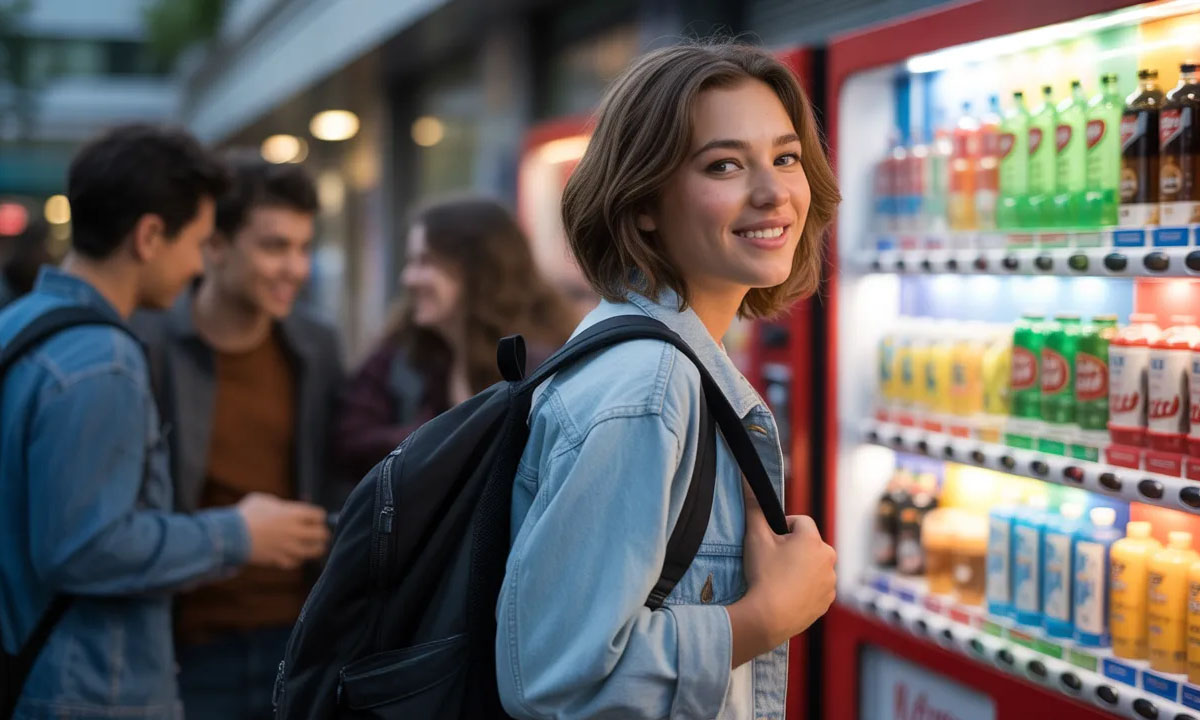
Schools today face a growing challenge. They must support student health, staff convenience, and budget realities at the same time. Food access during school hours plays a major role in student focus, staff efficiency, and overall campus experience.
This is why vending machines in schools have evolved beyond simple snack dispensers. Modern solutions now include healthy food choices, smart technology, and flexible formats that align with school nutrition standards.
This guide explores the real, practical benefits of school vending programs and explains how they support both students and staff when implemented responsibly.
Benefits of Vending Machines in Schools
When thoughtfully planned, vending programs offer more than convenience. Below are seven meaningful benefits schools experience when vending machines are aligned with health and operational goals.
1. Convenient Access to Food During the School Day
Students and staff often have limited time between classes, meetings, or extracurricular activities. Vending machines provide immediate access to food without disrupting schedules.
For students, this means fewer skipped meals. For staff, it means less time leaving campus to find refreshments. This convenience supports better focus and energy levels throughout the day.
2. Support for Healthy Eating Choices
The shift toward healthy vending machines in schools allows administrators to control what products are offered. Schools can prioritize lower sugar snacks, portion-controlled items, and nutritious beverages.
Research published in Public Health Nutrition by Cambridge University Press shows that clear labeling and healthier vending options positively influence food choices in educational settings.
This evidence supports vending as a tool for promoting better eating habits rather than undermining them.
3. Affordable Food Options for Students and Staff
One of the biggest advantages of school vending programs is affordability. Vending machines offer affordable food options that are often less expensive than off-campus alternatives.
For students who rely on quick snacks or drinks between classes, vending machines provide budget-friendly choices without leaving campus.
4. Reduced Pressure on Cafeterias
Cafeterias have limited hours and capacity. Vending machines help fill the gaps during early mornings, late afternoons, and after-school activities.
This allows food service teams to focus on meal quality while vending supports off-peak needs. Many schools integrate vending as part of broader school vending solutions rather than viewing it as a replacement for cafeteria services.
5. Smart Technology Improves Oversight and Control
Modern vending machines give schools greater control over inventory, pricing, and product availability. These machines track usage patterns and support cashless payments, which reduces handling issues.
Smart technology also helps ensure compliance with school nutrition policies by limiting what items can be stocked.
6. Flexible Options for Different Age Groups
Smart Vending machines can be customized based on grade level. Elementary schools may focus on healthier snacks, while high schools and staff areas can support a wider range of options.
Studies such as student perspectives on healthy vending choices by Research Gate highlights how student input plays a role in successful vending programs.
Listening to users helps improve acceptance and usage.
7. Additional Revenue for School Programs
Well-managed vending programs can generate supplemental revenue that schools reinvest into student activities, wellness initiatives, or facility improvements.
When vending aligns with health standards and student needs, it becomes a sustainable support system rather than a conflict point.
Types of Vending Machines Commonly Used in Schools
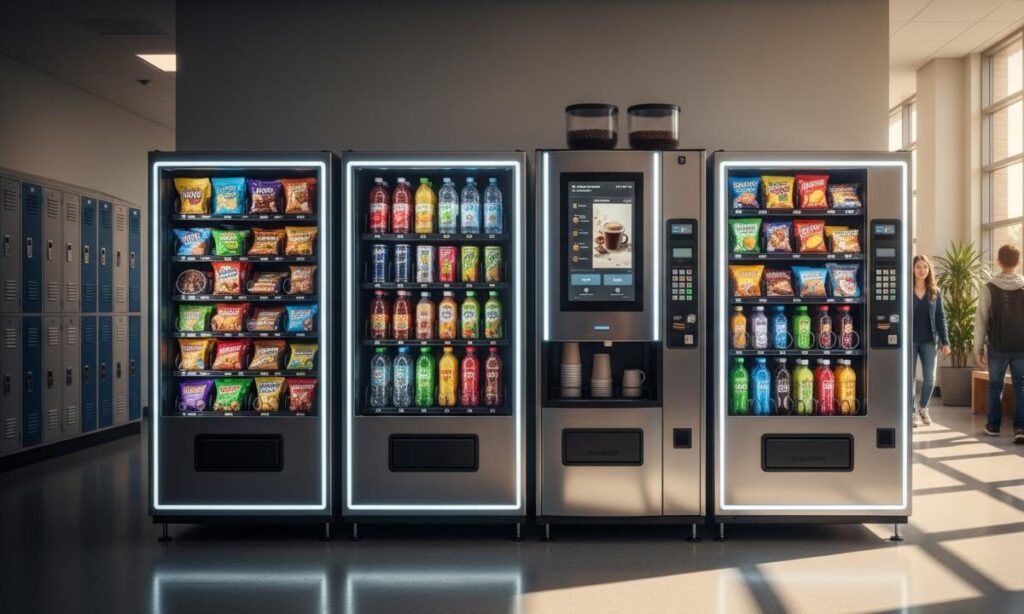
Below is a simple comparison of vending machine types commonly found in educational environments.
| Vending Machine Type | Typical Use in Schools |
| Snack Vending Machines | Packaged snacks and healthy alternatives |
| Drink Vending Machines | Water, juice, sports drinks, and milk |
| Coffee Vending Machines | Staff lounges and teacher areas |
| Combo Vending Machines | Snacks and drinks combined in one machine for space-saving convenience |
Schools often combine multiple machine types to serve different needs across campus.
Are Vending Machines Allowed in Schools?
Yes, vending machines are allowed in schools, but they must follow district, state, and federal nutrition guidelines.
Policies often regulate:
- Product types
- Sugar and calorie limits
- Portion sizes
- Placement and operating hours
According to NCBI guidance summarized on public health research on school food environments, schools that align vending with nutrition standards can support healthier eating behaviors without removing convenience.
Administrators should always review local regulations before implementing or expanding vending programs.
Pros and Cons of Vending Machines in Schools
Understanding both sides helps schools make informed decisions.
Pros
- Convenient food access
- Supports healthy snack availability
- Affordable pricing
- Reduces off-campus food trips
- Generates supplemental revenue
Cons
- Poor product selection can undermine health goals
- Requires oversight to stay compliant
- Needs regular maintenance and restocking
The key difference between success and failure lies in responsible management and product selection.
Choosing the Right School Vending Solutions
Effective school vending programs focus on balance. Decision-makers should consider:
- Age of students
- School schedules
- Nutrition policies
- Space availability
Many schools evaluate vending options alongside broader refreshment strategies such as office and institutional vending services to ensure consistency and quality.
Some campuses also explore expanded food access models similar to smart store concepts when serving larger populations.
Role of Fresh and Beverage Vending on Campus
Access to fresh food vending machines and beverage options supports hydration and energy throughout the school day. For staff, especially in larger campuses, vending offers quick access during long schedules without leaving the building.
In staff areas, coffee and beverage vending complements other services such as coffee service that support productivity and morale.
Final Thoughts
When implemented thoughtfully, vending machines in schools offer real benefits for students and staff. They improve access to food, support healthier choices, and provide affordable convenience throughout the school day.
The key is not whether schools should use vending machines, but how they use them. With smart planning, clear guidelines, and modern technology, vending can be a positive part of the school environment.