
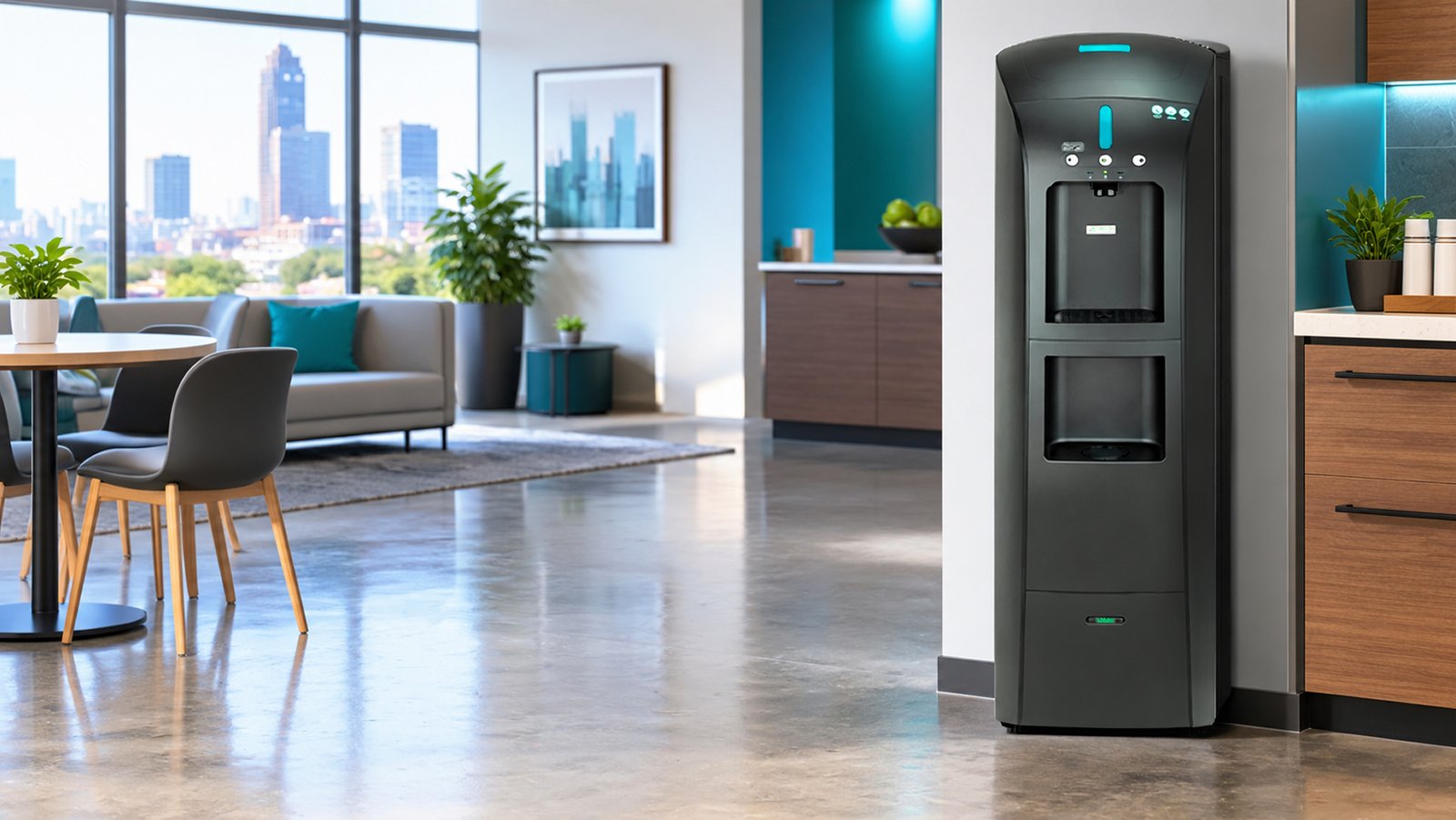
A ten-person office and a 200-person warehouse have very different hydration needs. Choose a system that is too small, and employees may end up waiting for cold water during busy periods. Choose more capacity than you need, and you could pay for equipment your team rarely uses.
The right office water cooler depends on your headcount, available space, work schedule, and water preferences. Here’s how Memphis businesses can compare their options and choose a setup that works for their workplace.
Why Your Office Water Setup Matters
Easy access to water gives employees a convenient alternative to leaving the workplace whenever they need a drink. It also makes hydration part of the everyday break room setup rather than an afterthought.
Harvard’s Nutrition Source explains that water helps prevent dehydration and that fluid needs vary based on factors such as activity level and environment.
For Memphis workplaces, that makes accessibility important. Employees should be able to get refreshing water without long waits or walking across an entire building.
What Memphis Water Brings to the Table
Memphis starts with a distinctive local water source. According to Memphis Light, Gas and Water, the city’s drinking water comes from the Memphis Sands aquifer and passes through natural layers of clay, sand, and gravel.
Water quality at the tap can still be influenced by a building’s plumbing and internal water system. For offices that want additional filtration at the point of use, an office filtration system can provide a consistent option in the break room.
January Service Company’s water services include workplace water solutions designed around the needs of Memphis businesses.
Choosing an Office Water Cooler for Small Offices
Look for a Compact Setup
Smaller teams generally do not need the same capacity as a warehouse, call center, or multi-floor office.
A compact floor-standing or countertop water dispenser can help save space while keeping water close to employees. Consider where the unit will sit, how often employees will use it, and whether hot water would be useful for tea, oatmeal, or instant meals.
Ease of maintenance matters too. Smaller businesses may not have a dedicated facilities team available to manage complicated equipment. A service plan that includes filter changes, cleaning, and repairs can keep routine maintenance from becoming another office task.
Consider a Bottleless System
Bottleless water systems connect to an existing water line and filter water at the point of use.
This removes the need to store, lift, and replace large water jugs. It also means the office does not have to wait for bottled-water deliveries or find space for empty containers.
For smaller teams with suitable plumbing access, this can provide a simple way to keep filtered water consistently available.
Choosing an Office Water Cooler for Large Offices
Think About Capacity and Placement
Large workplaces should consider more than the capacity of one machine. Placement matters just as much.
A warehouse, multi-floor office, or workplace running several shifts may need multiple office water dispensers positioned near the areas employees already use. Break rooms, common areas, and busy work zones can all be practical locations.
Also consider recovery speed. If many employees use a cooler around the same time, the unit needs enough capacity to continue providing chilled water during busy periods. Looking at peak demand is more useful than choosing equipment based only on total headcount.
Connect Water With the Rest of the Break Room
Water does not have to operate as a separate workplace amenity. Larger businesses can place hydration alongside food, coffee, and other refreshments to create a more convenient break area.
A micro market can provide snacks, meals, and beverages in the same general space as the water system. This makes it easier for employees to handle their break without moving between different parts of the building.
Bottled vs. Bottleless Water Coolers
Both options can work, but they solve different problems.
Traditional bottled coolers may suit workplaces without easy access to a nearby water line. However, businesses need somewhere to store full and empty bottles, arrange deliveries, and handle the containers.
Bottleless water systems connect directly to the building’s water supply and use filtration at the point of use. This removes bottle storage and reduces the need to manage recurring water-jug deliveries.
For larger offices, bottleless systems can also be easier to expand because additional units can be installed in different work areas where plumbing allows.
Before deciding, consider your building layout, plumbing access, available storage, employee count, and service requirements.
What to Ask Before Choosing a Water Service
Price matters, but it should not be the only factor when comparing an office water cooler or service plan.
Ask potential providers:
- Who handles installation?
- How often are filters replaced?
- Is routine sanitization included?
- What happens if a unit needs repair?
- Can additional units be added later?
- What maintenance is included in the monthly cost?
Looking at the full service arrangement makes it easier to compare options fairly. A low equipment price may not save money if your own team becomes responsible for filters, maintenance, and troubleshooting.
Keeping Office Water Systems Clean
Every water dispenser requires ongoing care. Filters need to be changed according to the manufacturer’s specifications, and the equipment should be cleaned and maintained on an appropriate schedule.
Building plumbing matters as well. The CDC’s guidance on building water systems explains that periods of low or no water use can create conditions that increase risks associated with Legionella and other biofilm-associated bacteria.
This can be particularly relevant to offices where certain areas remain unused for extended periods. Businesses should follow appropriate building water management practices and the manufacturer’s instructions for individual dispensers.
When working with a water service provider, ask for a clear maintenance schedule so you know when filters, cleaning, and equipment servicing will be handled.
Why Choose January Service Company?
January Service Company has served Memphis-area workplaces since 1982. Its team can help businesses compare water systems based on headcount, layout, usage, and plumbing access.
Local service also gives facilities teams a clear point of contact for installation, filter replacement, maintenance, and equipment concerns. That ongoing support is especially valuable for growing offices that may need to add another unit or adjust their break room setup over time.
Match the Water Cooler to Your Workplace
There is no single office water cooler that works for every Memphis business. A small office may only need one compact system, while a larger workplace may benefit from multiple units placed near the areas employees use most.
Start with your headcount, work shifts, available space, plumbing access, and expected usage. Then consider filtration, maintenance, and whether the system can grow with the business.
Businesses planning changes to their hydration setup can also read our guide to a summer office water system upgrade.
The goal is simple: provide reliable, refreshing water in locations that make sense for the people who need it. January Service Company can help you plan a practical water setup for your Memphis workplace and keep it operating with dependable local service.