
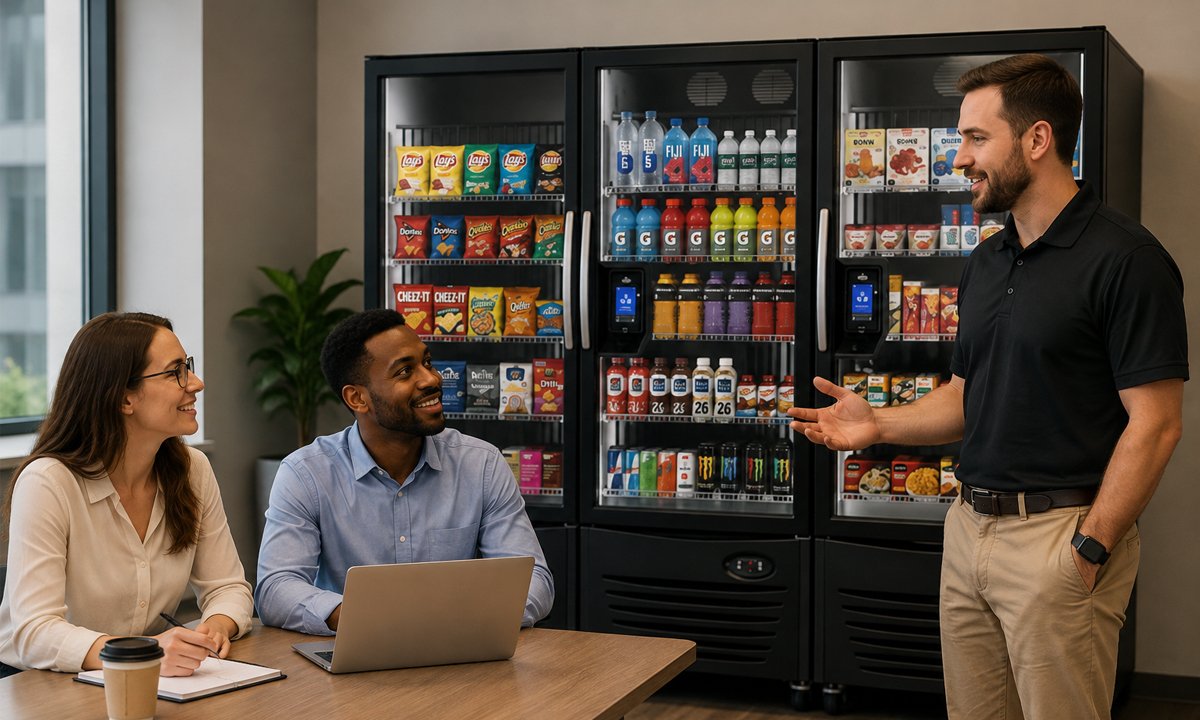
Walk into almost any breakroom in Memphis today and you’ll notice something has changed. The old coin-operated machine that jammed every other week is gone. Businesses now use something smarter, faster, and far more dependable. That shift didn’t happen by accident. Businesses made it happen because they got tired of unreliable service. They started demanding more from the companies they trust to keep their teams fed and happy during the workday.
Choosing a vending machine provider is rarely just about the equipment itself. It’s about whether that provider shows up when they say they will, keeps machines stocked with what people actually want, and fixes problems before they become complaints. For office managers, HR leaders, and facility directors across the Mid-South, this decision touches employee morale, productivity, and even retention in ways that are easy to underestimate until something goes wrong.
Why Reliability Matters More Than Machine Count
Plenty of vending companies can install a machine. Far fewer can guarantee it stays running, stocked, and useful week after week. That gap is exactly where service reliability separates a good provider from a forgettable one.
Think about what happens when a machine sits empty for three days because nobody noticed, or a payment terminal glitches and nobody fixes it until someone finally calls to complain. Employees stop trusting the machine. They start bringing snacks from home or driving off-site during breaks, which quietly eats into productivity. A provider who treats response time as a real commitment, not just a sales pitch, prevents that slow erosion of trust before it starts.
This is also where local providers tend to outperform national chains. A company based in Memphis can send a technician across town within hours, not days. That local presence shows up in the details, like how quickly a jammed coil gets cleared or how fast a malfunctioning card reader gets swapped out. If you want a deeper look at how local versus national service actually plays out for Memphis businesses, our breakdown on why local vending providers outperform national chains covers the specifics in more detail.
What Consistent Restocking Actually Looks Like
Nothing frustrates employees faster than an empty machine. Vending machine restocking sounds simple on paper, but doing it well requires real logistics behind the scenes. It means route drivers who know their territory, inventory systems that flag low stock before shelves go bare, and product selections that actually reflect what a particular workplace prefers.
A manufacturing floor with three shifts has very different snacking patterns than a corporate office with a nine-to-five schedule. A provider paying attention will notice those patterns and adjust delivery frequency and product mix accordingly, rather than running every account on the same generic schedule. Businesses that switch providers because of inconsistent stocking almost always mention the same thing: it wasn’t the products that were the problem, it was the unpredictability.
Predictability, more than variety, is usually what keeps a workplace satisfied long term. When employees know the machine will have their go-to snack or drink whenever they need it, the whole breakroom starts to feel like a benefit rather than an afterthought.
The Shift Toward Contactless and Smarter Technology
Contactless vending has moved from a nice-to-have to a baseline expectation. Employees expect to tap a card or use mobile pay the same way they do at a coffee shop or grocery store. A provider still relying heavily on cash-only machines is signaling that their technology hasn’t kept pace with what modern workplaces need.
Beyond payment convenience, the bigger shift is happening behind the scenes with inventory tracking. AI-powered systems can now flag low stock in real time, reducing the guesswork that used to cause stockouts. This technology makes the vending experience smoother for employees. It also gives businesses better visibility into what people actually consume. That visibility helps with everything from budgeting to planning office perks.
Companies exploring an upgrade from traditional machines often start by comparing options directly. Our page on ai vending solutions breaks down what modern equipment offers compared to older setups, and for businesses considering a bigger leap, the AI-powered smart store options page explains how 24/7 self-checkout coolers are changing what a breakroom can offer without adding any staffing burden.
What Strong Vending Solutions Actually Include
A genuinely comprehensive provider offers more than just machines dropped off and left alone. Strong vending solutions typically include a few consistent elements that businesses should look for during evaluation:
- Regular, data-informed restocking schedules rather than fixed routes that ignore usage patterns
- Transparent communication about pricing, contract terms, and what happens if service falls short
- Modern payment technology that includes mobile wallets and card readers, not just cash
- Fast, guaranteed response times for equipment issues, ideally documented in writing
- A track record of long-term client relationships, which usually says more than any sales pitch
That last point deserves extra attention. Vetting a vendor properly means looking past the initial proposal and digging into how they actually treat existing clients. As Forbes points out in its guide on how to choose the right vendors for your business, communication style and relationship fit often matter more than price alone when it comes to long-term vendor satisfaction. That principle applies just as much to a vending contract as it does to any other supplier relationship.
Trust Is Built Through Consistency, Not Contracts
It’s worth remembering that a signed agreement doesn’t automatically create a good working relationship. Trust gets built through repeated, small proof points over time. Harvard Business Review’s research on building trust with suppliers highlights that resilient supplier relationships depend on consistency and follow-through, not just contractual terms. Vending is no different. The businesses that stay loyal to a provider for ten or twenty years usually aren’t the ones who negotiated the lowest price. They’re the ones who never had to think twice about whether the machine would be stocked or the technician would show up.
This is also reflected in how businesses approach their supplier relationships. SCORE’s guidance on choosing a new supplier highlights stability, quality, communication, and customer service as important factors when evaluating a supplier. For companies choosing a vending partner, the same principles apply. Service quality, communication, and reliability should be considered alongside pricing when deciding whether a provider is the right fit for the workplace.
What Businesses Should Ask Before Signing
Before committing to any provider, it helps to ask a few direct questions. How quickly can they respond to a service issue, and is that guarantee documented? Do they offer real-time inventory tracking, or are restocking decisions based on guesswork and fixed schedules? What does onboarding look like, and who handles ongoing account management once the contract is signed?
Getting straight answers to these questions upfront can reveal a lot. It shows how a company operates once the ink is dry. A provider confident in their service model won’t hesitate to walk through their process in detail.
What Reliable Service Comes Down To
Choosing a vending provider in Memphis ultimately comes down to trust built through consistency. Flashy equipment and aggressive sales tactics are not enough. Businesses that prioritize response time, restocking reliability, and modern contactless technology tend to end up with breakrooms that employees actually appreciate rather than tolerate.
The right partner treats your workplace’s needs as an ongoing relationship to manage. It is not a one-time installation to check off a list. That mindset, more than anything else, is what separates a provider worth keeping from one you’ll be replacing again in a year.