
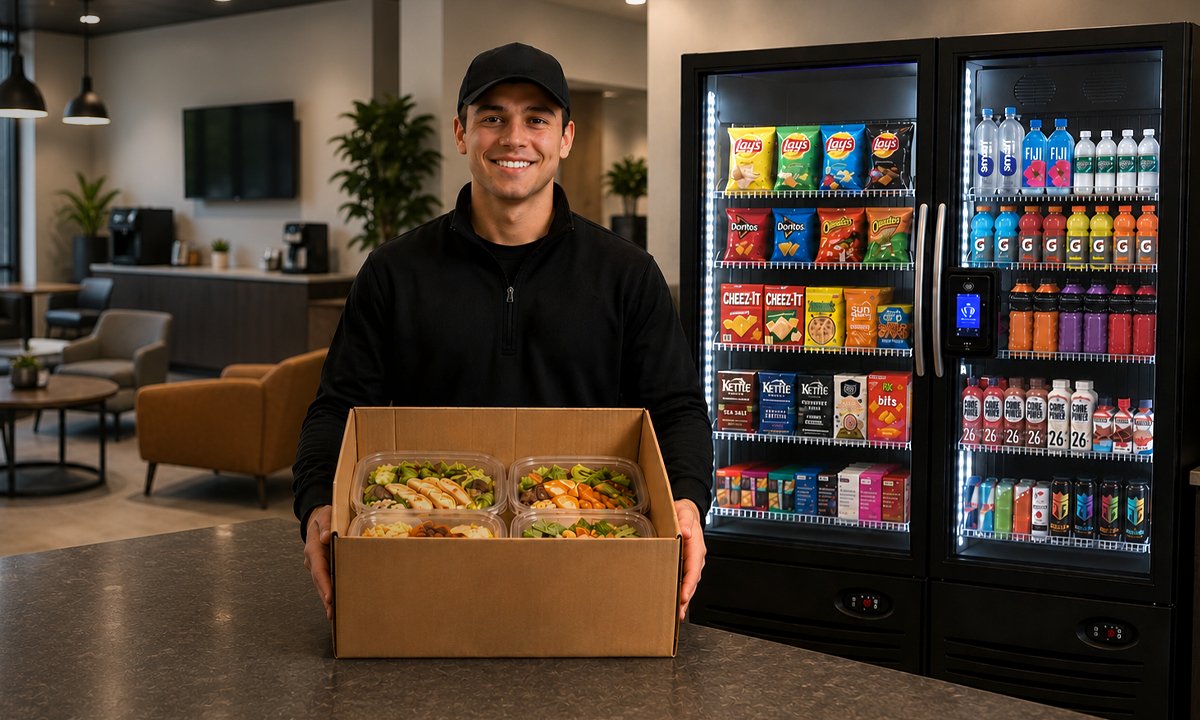
Providing quality food in the workplace is no longer just a convenience. Today’s employees expect meal options that are accessible, enjoyable, and aligned with healthier lifestyles. As businesses continue investing in employee experience, many are asking whether fresh office food offers greater value than frozen alternatives. While both options have a place in workplace refreshment programs, understanding their differences helps organizations create food services that better support employees and daily operations.
Frozen meals have traditionally been popular because of their long shelf life and ease of storage. However, improvements in workplace refreshment technology and local food preparation have made fresh meals far more accessible than in the past. Employers now have opportunities to provide sandwiches, salads, wraps, protein bowls, and other freshly prepared items that employees can enjoy without leaving the office.
Choosing between fresh and frozen food should involve more than convenience alone. Businesses should also consider nutrition, employee preferences, product quality, and long-term workplace satisfaction.
Understanding Fresh and Frozen Office Food
Both fresh and frozen meals serve important purposes within an office food service program. Frozen products provide consistency and extended storage, making them useful for workplaces with lower food turnover or limited refrigeration capacity. Fresh meals, on the other hand, offer greater variety, appealing presentation, and ingredients that many employees associate with higher quality.
Organizations investing in professional ai vending solutions increasingly include fresh food options alongside traditional snacks and beverages to better meet employee expectations. This balanced approach provides flexibility while supporting different work schedules and dietary preferences.
Businesses searching for vending service memphis often prioritize providers capable of delivering both convenience and high-quality meal selections.
Benefits of Fresh Office Food
- Greater variety of sandwiches, salads, wraps, and prepared meals.
- Improved appeal through fresher presentation and texture.
- Flexible menus that can adapt to seasonal ingredients.
- Better support for corporate wellness initiatives.
- Convenient access to nutritious meals without leaving the workplace.
- Opportunities to offer locally prepared food options.
These advantages make fresh meals an increasingly popular choice for businesses focused on improving workplace dining experiences.
Why Employees Prefer Fresh Meals
Employees often value meals that look freshly prepared and offer a wider selection of ingredients. Fresh options provide variety throughout the workweek, helping reduce menu fatigue while making workplace dining more enjoyable. Businesses can also rotate seasonal offerings, introduce new recipes, and respond to employee feedback more easily than with frozen products.
Organizations that provide Fresh Food Made Daily demonstrate a commitment to employee experience by offering meals prepared with quality ingredients rather than relying exclusively on long-term frozen inventory. This approach helps create a more inviting workplace while encouraging employees to remain onsite during meal breaks.
Many employers also expand refreshment choices by combining fresh meals with Office Pantry Services, creating convenient spaces where employees can access snacks, beverages, and meal options throughout the day.
Balancing Convenience and Nutrition
Convenience remains an important factor in workplace dining, but employees increasingly expect that convenience to include healthier choices. Fresh sandwiches, salads, fruit, yogurt, protein bowls, and other prepared meals allow businesses to support healthy vending options while still providing quick grab-and-go access.
Research published through PubMed Central (PMC) discusses how workplace food environments can influence dietary choices, suggesting that increasing access to healthier foods may encourage better eating habits over time.
Organizations promoting Fresh Meals, Snacks & Drinks often create refreshment programs that appeal to a broader range of employee preferences while supporting overall workplace wellness.
Factors Businesses Should Consider
Selecting between fresh and frozen meals depends on the workplace, employee preferences, and operational goals. Some organizations benefit from offering both options, ensuring employees have access to convenient meals throughout different shifts while accommodating varying tastes and schedules. Rather than choosing one approach exclusively, many businesses build balanced refreshment programs that combine fresh meals with complementary snacks and beverages.
Employers should also evaluate meal turnover, available refrigeration, food replenishment schedules, and the quality of their refreshment provider. These factors directly influence how successful a workplace food program will be over time.
Businesses looking for office snack service should partner with providers that regularly review purchasing patterns and adjust inventory to keep products fresh and relevant.
What to Look for in a Workplace Food Program
- Consistent availability of fresh prepared meals.
- Flexible menus that reflect employee preferences.
- Reliable food replenishment and inventory rotation.
- High-quality ingredients with dependable food handling practices.
- Convenient access to meals, beverages, and snacks.
- Refreshment programs that can scale as business needs grow.
These qualities help businesses provide employees with a dining experience that supports convenience, satisfaction, and productivity.
Fresh Food Supports Workplace Wellness
Offering fresh meal options can become an important part of broader corporate wellness initiatives. Employees who have convenient access to balanced meals are less likely to skip lunch or rely solely on highly processed snacks during busy workdays. While frozen foods remain useful in many situations, incorporating fresh options creates additional opportunities for healthier workplace eating habits.
Research available through PubMed highlights the relationship between workplace food environments and employee dietary behaviors, reinforcing the importance of making healthier choices readily accessible. By providing fresh meals alongside nutritious snacks and beverages, organizations can create refreshment programs that better align with evolving employee expectations.
Businesses committed to Locally Prepared Fresh Food often find that employees appreciate the quality, variety, and convenience of meals prepared closer to the communities they serve.
Fresh and Frozen Foods Can Work Together
Choosing fresh food does not necessarily mean eliminating frozen products. Many successful workplace refreshment programs combine both options to provide flexibility across different schedules and employee preferences. Frozen meals offer dependable backup inventory with longer shelf life, while fresh meals provide greater variety and a more appealing dining experience for everyday use.
According to insights from ScienceDirect, frozen foods remain an effective preservation method that helps maintain food quality during storage and distribution. Combining frozen convenience with fresh meal availability allows businesses to build a more comprehensive office food service program.
To learn how refreshment programs influence workplace culture, explore our guide on How Pantry Services Impact Company Culture and Team Dynamics, which explains how convenient food access contributes to employee engagement and collaboration.
Organizations that are Locally Owned & Operated are often better positioned to deliver fresh meal programs with faster replenishment, responsive service, and menus that reflect local preferences.
Conclusion
The choice between frozen meals and fresh office food should be based on employee needs, workplace goals, and the overall refreshment experience a business wants to create. While frozen products continue to provide convenience and extended shelf life, fresh meals offer greater variety, stronger visual appeal, and better alignment with modern employee expectations.
By combining fresh meal delivery, quality office food service, and reliable workplace refreshment programs, businesses can create dining experiences that support employee satisfaction, encourage healthier eating habits, and strengthen workplace culture. For many organizations, offering a thoughtful mix of fresh and frozen options delivers the flexibility needed to meet today’s evolving workplace demands.