
Shopping centers are evolving beyond traditional retail environments. While customer experience has always been a priority, operators are now placing increasing emphasis on employee well-being and operational efficiency. One of the most noticeable shifts is the growing investment in breakroom solutions designed specifically for staff.
Instead of relying solely on traditional vending setups, many facilities are adopting modern micro markets and self-serve retail spaces that provide greater flexibility, healthier options, and improved convenience. These changes reflect a broader transformation in how commercial spaces view workforce satisfaction and productivity.
As competition for skilled workers increases and expectations around workplace experience rise, shopping centers are rethinking how they support their teams. Modern breakroom environments are no longer just a convenience; they are becoming a strategic tool for retention and performance.
Why Breakroom Solutions Are Becoming a Priority in Retail Spaces
The retail environment is fast-paced, demanding, and highly operational. Employees often work long shifts, manage high customer traffic, and require quick access to food and beverages throughout the day. Traditional vending machines often fall short in meeting these expectations.
Modern breakroom solutions offer a more flexible and employee-friendly alternative. They provide:
- Greater variety of food and beverage options
- Easier access during short breaks
- More nutritious and fresh choices
- Improved convenience compared to traditional setups
- Better alignment with modern workplace expectations
- Enhanced overall employee satisfaction
These improvements directly contribute to a better working environment and help shopping centers maintain consistent operational performance.
According to insights from Wikipedia on micromarkets, self-service retail environments are becoming increasingly popular across workplaces due to their flexibility and efficiency.
The Rise of Micro Markets in Shopping Centers
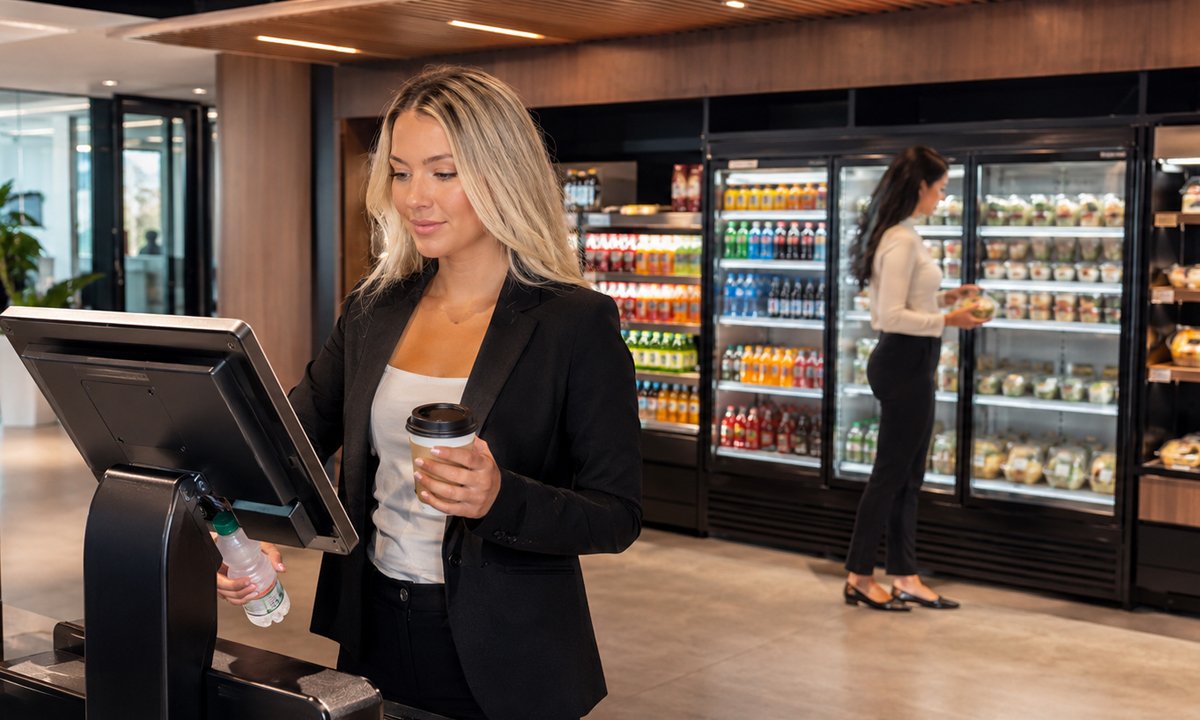
One of the most significant developments in breakroom modernization is the adoption of micro markets. These self-service retail spaces function like small convenience stores located within the workplace, offering a wide selection of snacks, meals, and beverages.
Shopping centers are increasingly integrating ai micro market services into staff areas to provide a more engaging and flexible food experience compared to traditional vending machines.
Unlike older systems, micro markets allow employees to browse products, make selections, and complete transactions using digital payment methods. This creates a smoother experience that better aligns with modern expectations.
The shift also reflects broader retail innovation trends, including automation and self-service technology, which continue to reshape commercial environments.
How Convenience Retail Solutions Improve Staff Experience
Modern convenience retail solutions are designed to address one of the biggest challenges in retail operations: keeping employees satisfied during demanding shifts. When staff have easy access to food and beverages, they are more likely to stay energized, focused, and productive.
Breakroom upgrades in shopping centers often include self-service kiosks and automated retail systems that reduce wait times and increase accessibility. These solutions also help reduce the need for off-site food runs, which can disrupt workflow and reduce efficiency.
Research published by PMC (PubMed Central) highlights the connection between workplace environment, employee well-being, and productivity outcomes. Better workplace amenities can contribute to improved morale and performance.
Workforce Retention and Staff Benefits in Modern Retail
One of the strongest drivers behind the adoption of breakroom upgrades is workforce retention. Retail environments often face high turnover rates, making employee satisfaction a key operational priority.
Improving staff benefits through better breakroom facilities can significantly influence retention. Employees are more likely to stay with employers that invest in their comfort and convenience.
Breakroom enhancements contribute to:
- Higher employee satisfaction levels
- Reduced turnover rates
- Improved workplace morale
- Better daily productivity
- Stronger organizational loyalty
A study from RAND Corporation emphasizes how workplace conditions and employee support systems can significantly impact productivity and retention outcomes.
The Role of Automated Retail in Shopping Centers
The adoption of automated retail is transforming how shopping centers manage staff amenities. Instead of relying on traditional staffed cafeterias or limited vending machines, operators are implementing self-service systems that operate efficiently with minimal oversight.
These systems integrate digital payments, real-time inventory tracking, and user-friendly interfaces to streamline operations. As a result, facilities can provide consistent service without increasing labor costs.
Some operators also explore broader commercial solutions, including traditional vending machine options, Memphis vending service providers, and Memphis vending equipment suppliers as part of their retail infrastructure strategy. However, many are shifting toward more advanced systems like micro markets for better flexibility.
How Self-Service Technology Enhances Employee Productivity
The integration of self-service technology into breakroom environments is directly linked to improvements in employee productivity. When staff can quickly access food and beverages without leaving the workplace or waiting in long queues, they can return to tasks more efficiently.
Modern breakrooms reduce friction in daily routines, allowing employees to maximize break time while maintaining energy levels throughout the day. This is especially important in high-traffic retail environments where time management is critical.
Self-service systems also support consistency, ensuring that employees always have access to essential items without relying on external vendors or inconsistent delivery schedules.
Why Shopping Centers Are Moving Away from Traditional Vending
Traditional vending machines are still present in many retail environments, but they are increasingly seen as limited in scope. They typically offer a narrow product selection, restricted payment methods, and minimal customization.
In contrast, modern breakroom solutions provide a more comprehensive experience that aligns with evolving employee expectations. This shift reflects broader changes in workplace design and retail operations.
Many facilities still use search terms like vending memphis or vending supply memphis when sourcing equipment, but the industry trend is clearly moving toward more advanced and flexible systems.
Shopping centers that previously relied on vending machine memphis solutions are now upgrading to integrated systems that better support employee needs and operational goals.
Internal Infrastructure and Smart Store Integration
As shopping centers modernize their breakroom strategies, many are also investing in broader retail infrastructure such as ai smart store solutions. These systems combine automation, inventory intelligence, and self-service technology to create seamless retail environments.
Smart stores and micro markets work together to create a unified approach to staff amenities. This integration allows operators to scale services across multiple locations within a shopping center while maintaining consistency and efficiency.
Additional Industry Insights on Breakroom Innovation
For a deeper understanding of how breakroom modernization is evolving, you can explore The Role of Smart Stores in Streamlining Office Operations. While focused on office environments, the same principles of automation, convenience, and employee experience apply directly to shopping center operations.
Conclusion
The shift toward modern breakroom solutions reflects a broader transformation in how shopping centers approach workforce management. By adopting micro markets, automated retail, and self-service technology, operators are creating more efficient, convenient, and employee-friendly environments.
These improvements contribute directly to workforce retention, enhanced staff benefits, and increased employee productivity, making them a valuable investment for modern retail spaces.
As shopping centers continue evolving, the integration of advanced breakroom systems will play a critical role in shaping the future of workplace experience and operational success.