
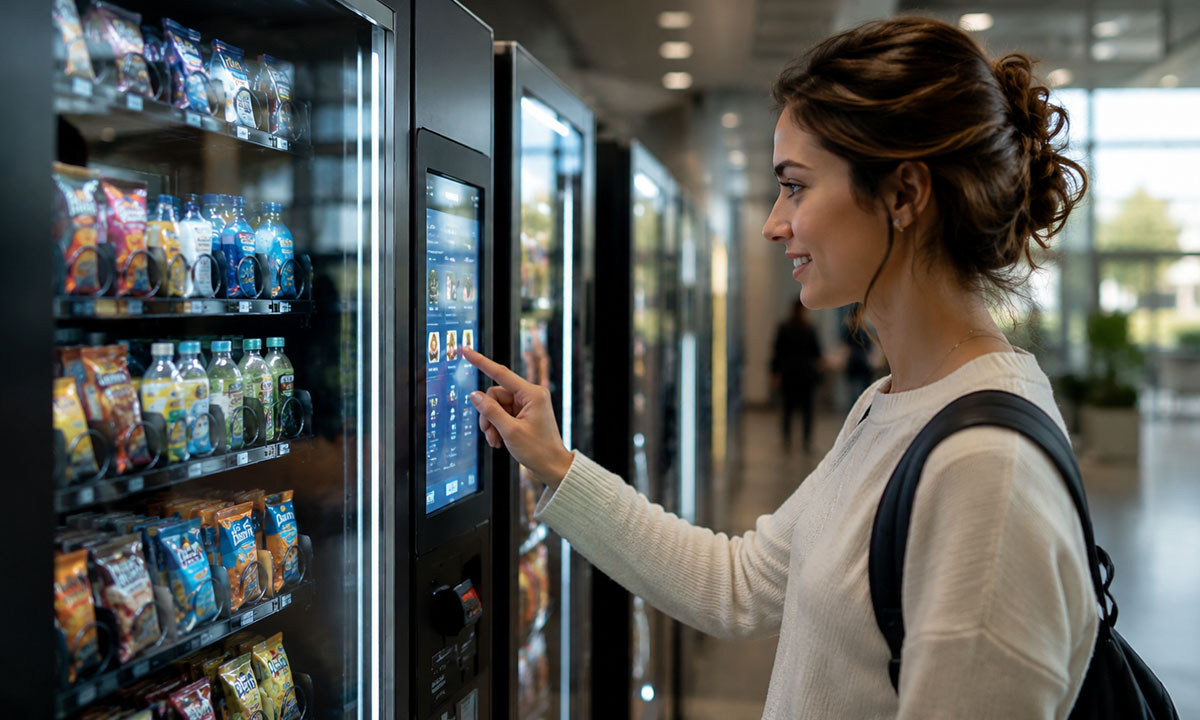
The vending industry has changed dramatically over the past decade. Traditional machines that once provided limited snack and beverage options are now evolving into intelligent retail systems powered by AI, cloud connectivity, and self-service automation.
Modern businesses no longer view a simple vending machine as just a convenience feature. Today’s vending systems are designed to improve customer satisfaction, streamline transactions, and create more engaging retail experiences in workplaces, hospitals, schools, and commercial environments.
As customer expectations continue rising, organizations are investing in smart vending technology to deliver faster service, better product variety, and seamless payment experiences. New vending innovations are transforming how people interact with self-service retail systems while improving operational efficiency for businesses.
Why Customer Expectations Are Changing
Modern consumers expect convenience, personalization, and speed in nearly every retail interaction. This shift has significantly influenced how businesses approach workplace refreshments and automated retail services.
Employees and customers now prefer systems that offer quick transactions, digital payments, healthier product options, and user-friendly technology.
According to insights from Britannica’s overview of consumer behavior, customer purchasing decisions are strongly influenced by convenience, accessibility, and overall experience quality.
These changing expectations have pushed vending systems to evolve beyond basic snack dispensers into advanced self-service retail platforms.
Businesses implementing modern workplace vending solutions are increasingly using smart technology to improve customer experience and operational efficiency simultaneously.
How Smart Vending Machines Improve Customer Experience
Modern smart vending machines use digital technology, AI systems, and connected inventory management to create smoother and more convenient user experiences.
Unlike traditional machines that rely on static product offerings and limited payment methods, modern vending systems adapt to customer preferences while providing faster and more flexible service.
Smart vending machine features include:
- Cashless and contactless payment systems
- Real-time inventory monitoring
- Touchscreen product browsing
- Faster transaction processing
- Personalized product recommendations
- Automated maintenance notifications
These features help businesses deliver a more modern and customer-friendly vending experience.
Smart vending systems also reduce frustration caused by out-of-stock products, payment limitations, or machine malfunctions.
The Role of Artificial Intelligence in Modern Vending Machines
Artificial intelligence is becoming one of the most important technologies behind today’s vending innovations. AI-powered systems can analyze purchasing behavior, monitor inventory patterns, and improve operational efficiency automatically.
According to insights from IBM’s research on artificial intelligence, AI helps businesses improve automation, personalization, and decision-making through data analysis and machine learning.
In vending environments, AI supports:
- Product demand forecasting
- Personalized recommendations
- Inventory optimization
- Automated restocking alerts
- Predictive machine maintenance
- Customer behavior analysis
AI technology allows vending systems to become more adaptive and responsive to changing customer preferences.
Organizations investing in AI-powered workplace technology systems are increasingly integrating vending machines with smart analytics platforms to improve service quality and operational visibility.
Cashless Vending Machines Simplify Transactions
One of the biggest improvements in modern vending systems is the widespread adoption of cashless vending machines. Customers today expect quick and seamless payment options without relying on physical cash.
Modern vending machines now support mobile wallets, debit cards, QR code payments, and touchless transactions.
Cashless systems improve customer experience by reducing transaction times and eliminating payment friction. They also improve operational efficiency for businesses by simplifying financial tracking and reducing cash handling requirements.
As digital payment technology continues expanding, cashless vending is quickly becoming the standard across modern self-service retail environments.
How IoT Technology Powers Modern Vending Machines
The Internet of Things plays a major role in the evolution of connected vending systems. IoT technology allows vending machines to communicate with cloud-based management systems and provide real-time operational data.
According to insights from IBM’s explanation of the Internet of Things, IoT technology enables connected devices to exchange information and automate processes more efficiently.
In vending environments, IoT technology supports:
- Real-time machine monitoring
- Remote diagnostics and maintenance
- Automated inventory tracking
- Product performance analytics
- Smart energy management
- Faster operational response times
These capabilities help businesses improve reliability while minimizing service interruptions for customers.
Workplace Vending Machines Support Employee Convenience
Modern workplace vending machines are becoming essential components of employee experience strategies. Employees increasingly value quick access to snacks, beverages, and refreshments during busy workdays.
Traditional vending systems often created frustration through outdated interfaces, limited payment options, and poor inventory management.
Today’s smart vending systems provide employees with faster and more reliable access to refreshments while reducing downtime during breaks.
Businesses interested in smarter refreshment strategies can also explore how vending systems adapt to employee preferences through AI-powered inventory and personalization tools.
This shift toward intelligent workplace retail helps organizations improve both convenience and employee satisfaction.
Self-Service Technology Is Reshaping Retail Experiences
Modern consumers increasingly prefer self-service interactions because they offer greater speed and flexibility. This trend is driving significant growth in self-service technology across multiple industries.
Vending systems now function as compact automated retail environments capable of delivering personalized and frictionless customer experiences.
Benefits of self-service vending technology include:
- Reduced wait times
- Faster customer transactions
- Continuous product availability
- Improved convenience during busy hours
- Reduced staffing requirements
- More flexible purchasing experiences
These advantages make self-service vending solutions especially valuable in offices, hospitals, airports, schools, and manufacturing facilities.
Automated Retail Solutions Improve Operational Efficiency
Businesses are increasingly adopting automated retail solutions to improve service consistency and reduce operational overhead.
Modern vending systems reduce the need for manual inventory management while improving visibility into customer purchasing patterns.
Automated systems also help businesses respond more quickly to customer demand changes and product performance trends.
By using real-time analytics and connected inventory tools, organizations can optimize vending operations more effectively while improving customer satisfaction.
These efficiencies help businesses create smarter retail environments that balance convenience with operational control.
Why Customer Experience Matters in Modern Retail
Customer experience has become one of the most important competitive factors in both traditional and automated retail environments.
People increasingly expect fast, intuitive, and technology-driven experiences when interacting with self-service systems.
Businesses that modernize their vending infrastructure can create more positive customer interactions while improving operational performance.
Smart vending systems help organizations deliver reliable, accessible, and engaging refreshment services that align with modern consumer expectations.
As workplace and retail environments continue evolving, customer-focused vending technology will become even more important.
The Future of Smart Vending Machines
The future of vending technology will continue moving toward personalization, automation, and AI-driven retail experiences.
Future vending systems may include facial recognition, predictive product recommendations, advanced sustainability features, and deeper integration with mobile applications.
As AI and connected retail technologies advance, vending systems will become increasingly intelligent and adaptive to customer behavior.
Businesses that invest early in smart vending innovation will be better positioned to improve customer satisfaction while maintaining operational efficiency.
Conclusion
Modern vending systems are transforming the way businesses deliver workplace refreshments and self-service retail experiences. Traditional vending machines are evolving into intelligent retail platforms powered by AI, IoT connectivity, and automated inventory systems.
Through smart vending machines, businesses can improve customer satisfaction, simplify transactions, and create more engaging workplace retail environments.
Technologies such as cashless vending machines, self-service technology, and AI-powered analytics are helping organizations improve customer experience while streamlining operations.
As automated retail continues evolving, modern vending systems will remain an essential part of smarter and more customer-focused workplace environments.