
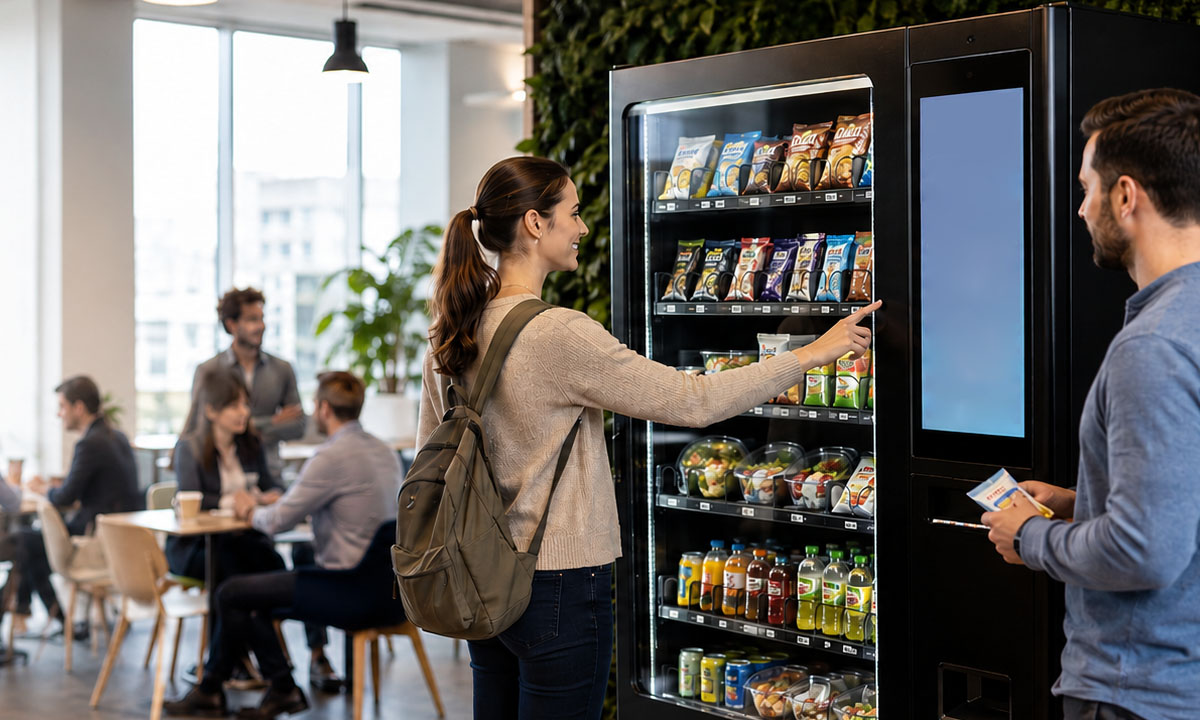
Workplace eating habits have changed significantly over the past decade. Employees no longer expect vending machines to offer only sugary snacks and basic beverages. Today’s workforce looks for healthier choices, personalized options, convenience, and seamless technology-driven experiences throughout the workday.
To meet these changing expectations, businesses are increasingly investing in modern vending machines powered by AI, smart analytics, and connected retail systems. These advanced systems can monitor buying behavior, track inventory trends, and adapt product offerings based on employee preferences in real time.
Modern vending technology is no longer just about convenience. It has become an important part of workplace wellness, employee satisfaction, and operational efficiency. As organizations continue modernizing office amenities, vending systems are evolving into intelligent workplace retail solutions that support both businesses and employees more effectively.
Why Employee Snacking Preferences Are Changing
Employees today are more health-conscious and experience-driven than previous generations. Many workers now prioritize healthier snacks, hydration, protein-rich foods, and convenient grab-and-go options during the workday.
At the same time, hybrid schedules and changing workplace routines have increased demand for flexible refreshment access throughout the day.
According to insights from Harvard’s Nutrition Source on healthy snacking, smart snack choices can support energy levels, concentration, and overall daily performance.
These evolving preferences are pushing businesses to adopt smarter refreshment systems that better align with employee expectations.
Organizations implementing modern workplace vending solutions are increasingly using data-driven systems to improve snack variety and workplace convenience.
How Modern Vending Machines Use Data to Improve Product Selection
Traditional vending machines relied on static inventory that rarely changed based on employee demand. Modern systems operate very differently.
Today’s modern vending machines collect purchasing data in real time and use analytics to identify which products employees prefer most frequently. Businesses can then adjust inventory based on actual consumption behavior instead of guesswork.
This data-driven approach helps companies maintain better inventory accuracy while improving employee satisfaction.
Advanced vending systems can track:
- Popular snack categories by time of day
- Beverage demand trends
- Seasonal product preferences
- Health-focused purchasing behavior
- Inventory turnover rates
- Frequently underperforming products
This level of visibility allows businesses to create more personalized and effective workplace refreshment strategies.
AI Vending Machines and Personalized Experiences
One of the biggest innovations in workplace retail is the rise of ai vending machines. These systems use artificial intelligence to analyze employee purchasing patterns and optimize product recommendations automatically.
AI systems can identify which snacks perform best in certain workplace environments and adjust inventory accordingly.
For example, offices focused on wellness initiatives may experience higher demand for healthier products, while manufacturing environments may prioritize energy drinks and quick meal replacements.
Businesses exploring AI-powered workplace technology systems are increasingly integrating vending solutions with intelligent analytics platforms to improve operational decision-making.
This shift toward ai-driven personalization helps create more relevant and engaging employee experiences.
The Role of Smart Vending Machines in Workplace Convenience
Modern employees value convenience and speed during busy workdays. Long cafeteria lines or limited refreshment access can negatively impact both morale and productivity.
Smart vending machines solve this problem by offering quick, self-service access to snacks and beverages while maintaining better inventory organization.
These systems also reduce operational friction by supporting digital payments, automated restocking alerts, and touchless purchasing experiences.
Unlike older vending models, smart vending technology creates a smoother and more user-friendly experience that aligns with modern workplace expectations.
How IoT Technology Powers Smart Vending Solutions
Connected vending systems rely heavily on IoT technology to function efficiently. Sensors and cloud-connected systems continuously monitor inventory levels, machine performance, and user interactions in real time.
According to insights from TechTarget’s explanation of IoT systems, IoT technology allows connected devices to exchange data and automate operational tasks.
In modern vending environments, IoT systems support:
- Real-time inventory monitoring
- Predictive maintenance alerts
- Automated restocking notifications
- Product demand forecasting
- Remote machine diagnostics
- Usage analytics and reporting
These capabilities help businesses improve efficiency while reducing manual oversight requirements.
Why Healthier Snack Options Matter in the Workplace
Employee wellness has become a major workplace priority. Businesses increasingly recognize that healthier food access can contribute to better employee performance and workplace satisfaction.
Modern vending systems now include healthier snacks such as protein bars, trail mixes, low-sugar beverages, and fresh food options alongside traditional products.
Common healthy vending options include:
- Protein-based snacks
- Low-sugar beverages
- Fresh fruit and salads
- Granola and trail mixes
- Hydration-focused drinks
- High-fiber snack alternatives
These healthier choices support workplace wellness programs while helping employees maintain energy and focus throughout the day.
Modern vending machines allow businesses to adjust inventory quickly based on changing employee dietary preferences and wellness initiatives.
Predictive Analytics Is Transforming Vending Machine Technology
One of the most important advancements in vending machine technology is predictive analytics. AI systems now use historical sales data and behavioral trends to forecast future product demand.
According to insights from IBM’s explanation of predictive analytics, predictive systems help organizations make data-driven decisions using historical patterns and machine learning models.
In vending environments, predictive analytics helps businesses:
- Prevent inventory shortages
- Reduce product waste
- Improve product selection accuracy
- Optimize restocking schedules
- Better understand employee behavior
This technology allows vending systems to adapt continuously to workplace demand patterns.
AI-Driven Personalization Improves Employee Satisfaction
Employees increasingly expect personalized experiences across digital and physical environments. AI-powered vending systems help meet these expectations by offering more relevant snack and beverage selections.
Some systems can even recommend products based on previous purchasing behavior or workplace trends.
Organizations interested in smarter retail automation can also explore data-driven vending technology strategies that combine AI analytics with intelligent inventory systems.
By improving personalization, businesses create workplace refreshment experiences that feel more convenient and employee-focused.
Modern Vending Machines and Workplace Productivity
Convenient access to snacks and beverages can positively influence productivity during the workday. Employees who can quickly access refreshments spend less time leaving the workplace for food and beverages.
Smart vending systems also improve operational efficiency by minimizing downtime related to inventory shortages or equipment failures.
In large workplaces, hospitals, and manufacturing facilities, modern vending systems provide consistent refreshment access during all shifts without requiring additional staffing.
This level of convenience contributes to stronger employee satisfaction and smoother workplace operations.
The Future of Smart Vending Solutions
The future of vending technology will continue moving toward automation, personalization, and AI-driven retail systems.
Future vending machines may include facial recognition, advanced dietary personalization, automated nutrition recommendations, and deeper integration with workplace wellness programs.
As AI technology evolves, vending systems will become even more responsive to employee preferences and workplace consumption patterns.
Businesses that adopt intelligent vending systems early will be better positioned to improve employee experience while optimizing operational efficiency.
Conclusion
Modern workplaces require smarter and more flexible refreshment systems that adapt to changing employee expectations. Traditional vending machines are being replaced by intelligent, connected systems designed to improve convenience, personalization, and workplace satisfaction.
Through modern vending machines, businesses can use AI, predictive analytics, and smart inventory systems to respond more effectively to employee snacking preferences.
Technologies such as smart vending machines, IoT connectivity, and ai-driven personalization are transforming workplace refreshments into more efficient and employee-focused experiences.
As workplace technology continues evolving, intelligent vending solutions will play an increasingly important role in supporting employee wellness, convenience, and productivity.