
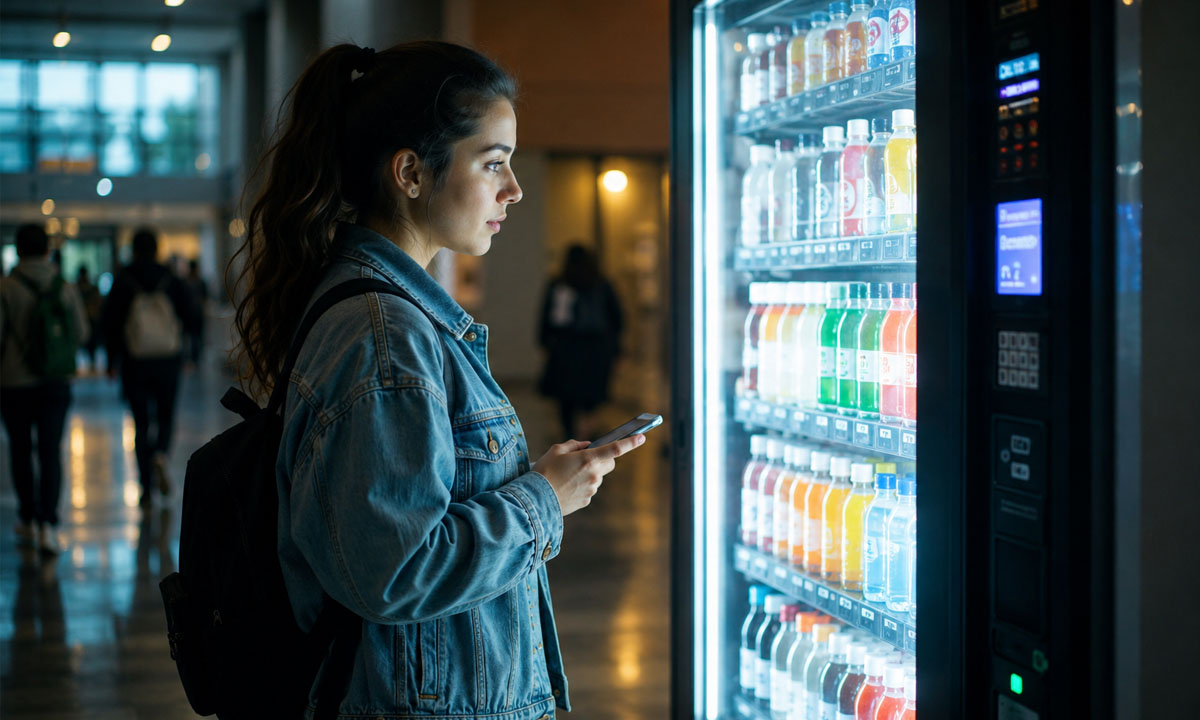
Traditional vending machines were once viewed as simple convenience tools that dispensed snacks and beverages. Today, however, the industry is undergoing a major transformation. Modern vending machine services are evolving into intelligent retail systems powered by automation, analytics, and artificial intelligence.
Businesses are no longer relying on vending machines only for product distribution. They are now using them as part of broader workplace and retail strategies focused on operational efficiency, customer experience, and data-driven decision-making.
With the rise of smart vending technology, vending systems can now monitor inventory in real time, predict demand patterns, support cashless transactions, and generate valuable operational insights. These capabilities are reshaping vending into a fully connected retail ecosystem.
The Shift From Traditional Vending to Smart Retail Systems
The modern vending industry is moving away from isolated machines toward connected retail platforms. Traditional systems often relied on manual inventory checks and fixed replenishment schedules, creating inefficiencies and wasted resources.
Today’s smart vending machines operate using cloud-based software, AI analytics, and automated monitoring systems. Every transaction generates data that can be used to optimize product selection, inventory planning, and customer experience.
This transformation reflects the growing importance of the data driven system approach in modern retail operations. Businesses now expect vending systems to provide real-time visibility and operational intelligence instead of simply dispensing products.
Organizations looking to modernize workplace refreshments often integrate advanced vending machine solutions that combine automation with intelligent inventory tracking.
Key Features of Data-Driven Vending Machine Services
Modern vending systems are designed to operate more like intelligent retail environments than standalone machines.
Core features of modern vending systems include:
- Real-time inventory monitoring and stock tracking
- AI-powered demand forecasting
- Automated restocking notifications
- Cloud-connected operational dashboards
- Cashless and contactless payment support
- Customer purchasing behavior analytics
These features help businesses improve operational efficiency while creating a more convenient user experience.
How AI Powered Vending Machines Improve Efficiency
One of the biggest advancements in modern vending is the use of artificial intelligence. AI powered vending machines analyze purchasing patterns, product demand, and inventory movement in real time.
Instead of relying on static restocking schedules, AI systems can predict which products will sell faster and automatically adjust inventory planning.
According to research published through KFUPM research on machine learning inventory systems, predictive inventory technologies significantly improve stock accuracy and reduce waste in vending environments.
These systems help businesses maintain product availability while minimizing overstocking and unnecessary operational costs.
Smart Vending Technology and Real-Time Data
The rise of smart vending technology has transformed how vending operations are managed. Modern machines are equipped with sensors, digital interfaces, and cloud connectivity that continuously collect operational data.
This real-time information allows businesses to monitor inventory levels remotely and identify issues immediately.
For example, vending operators can track:
- Product sales and consumption patterns
- Machine performance and maintenance needs
- Inventory shortages before stockouts occur
- Customer preferences across locations
- Transaction trends and peak usage periods
These insights make vending systems far more efficient and responsive compared to traditional vending operations.
Cashless Vending Solutions and Customer Convenience
Consumer expectations have changed significantly in recent years, especially regarding payment methods. Modern users expect fast, contactless, and digital payment experiences.
This demand has accelerated the growth of cashless vending solutions that support mobile wallets, QR payments, and card transactions.
Cashless systems not only improve convenience but also generate valuable transaction data that businesses can analyze to improve operations.
Companies integrating smart vending with advanced workplace technology systems can create fully connected refreshment environments that combine inventory management, digital payments, and analytics into a single platform.
Predictive Analytics in Smart Vending Machines
Predictive analytics has become one of the most important technologies in modern vending operations. By analyzing historical purchasing behavior and consumption trends, systems can forecast future demand more accurately.
According to insights from IBM’s predictive analytics research, predictive technologies help businesses improve operational planning and reduce inefficiencies across retail systems.
In vending environments, predictive analytics helps operators:
- Optimize product selection based on demand
- Reduce waste from unsold products
- Improve replenishment timing
- Increase inventory accuracy
- Enhance overall customer satisfaction
This shift toward intelligent forecasting is one reason why smart vending machines are becoming more integrated into broader retail strategies.
Data-Driven Systems and Workplace Refreshment Management
Modern workplaces increasingly rely on vending systems to support employee convenience and productivity. However, businesses now expect these systems to provide measurable operational value as well.
A data driven system helps organizations understand employee consumption patterns, identify popular products, and improve refreshment planning.
This approach creates a more efficient workplace environment while reducing waste and unnecessary spending.
Businesses interested in workplace automation can also explore vending machine technology trends to better understand how modern systems are evolving.
The Role of AI in Automated Inventory Management
Inventory management is one of the most important aspects of vending operations. Manual inventory checks are time-consuming and often inaccurate.
AI systems solve this problem through continuous monitoring and automated reporting. Smart systems can detect low inventory levels instantly and trigger replenishment alerts automatically.
Research published through Springer research on intelligent retail systems highlights how AI-driven operational models improve efficiency and forecasting accuracy in automated retail environments.
These advancements are helping vending services become more scalable and reliable.
Why Businesses Are Investing in Smart Vending Machines
Businesses across offices, hospitals, manufacturing facilities, and retail spaces are investing more heavily in smart vending because these systems offer both operational and financial benefits.
Major business advantages include:
- Improved inventory visibility and tracking accuracy
- Reduced labor costs through automation
- Better customer experience through cashless payments
- Increased operational efficiency and uptime
- Enhanced decision-making through analytics and reporting
- Reduced product waste and overstocking
These benefits are transforming vending machine services into strategic business tools rather than simple convenience systems.
The Future of Data-Driven Vending Systems
The future of vending technology will continue focusing on automation, AI, and connected retail ecosystems. Machines will become increasingly intelligent and capable of operating with minimal manual oversight.
Future innovations may include personalized product recommendations, advanced facial recognition systems, and AI-powered nutrition insights.
As workplace and retail environments continue evolving, vending systems will become fully integrated into broader smart retail strategies.
Conclusion
The vending industry is rapidly evolving from traditional product dispensers into intelligent, data-driven retail systems. Modern vending machine services now combine automation, analytics, AI, and cashless technologies to improve efficiency and customer experience.
Through smart vending technology, businesses can achieve better inventory accuracy, predictive planning, and operational visibility. These advancements are helping organizations reduce waste, optimize refreshment management, and create smarter retail environments.
As technology continues to evolve, ai powered vending machines and connected vending systems will play an even larger role in shaping the future of workplace and retail convenience.