
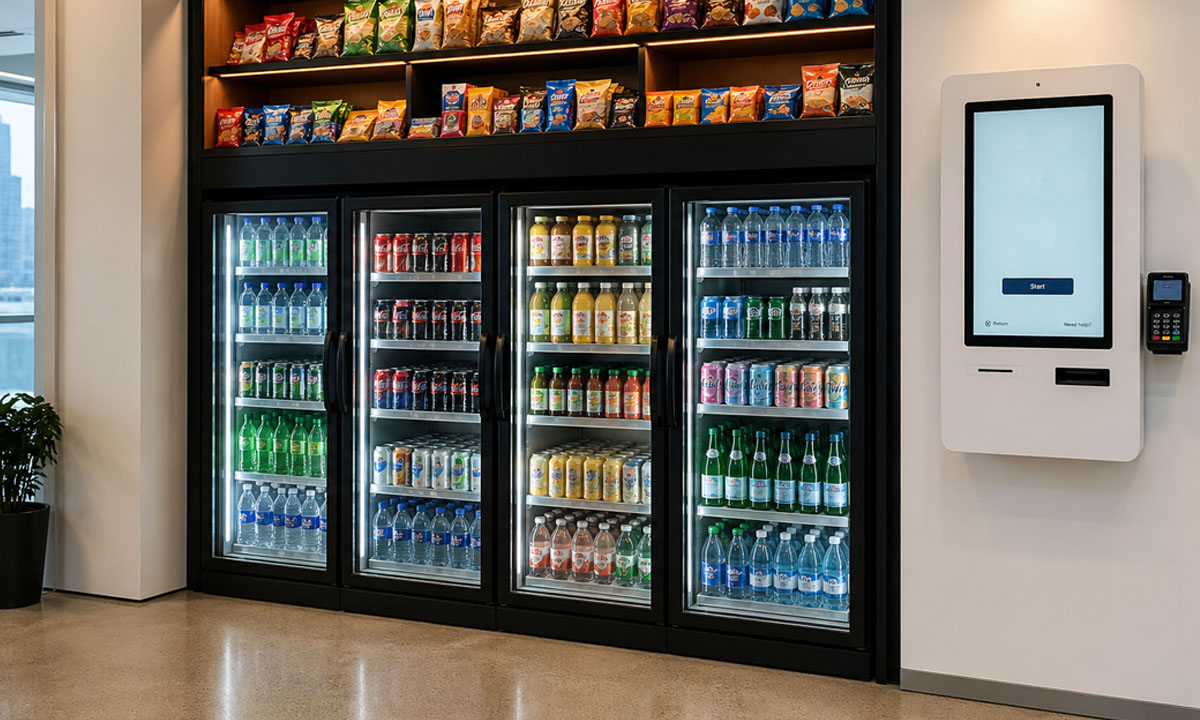
Workplaces are evolving rapidly, and so are the expectations around convenience, efficiency, and employee experience. One of the most significant transformations in recent years is the rise of automated office refreshment systems. These systems combine artificial intelligence, smart hardware, and real-time analytics to deliver seamless access to snacks, beverages, and fresh food without manual intervention.
From smart vending machines to AI-powered micro markets and smart stores, modern office refreshment solutions are redefining how businesses manage breakroom services. But what exactly powers these systems, and how do they work behind the scenes?
Understanding the technology behind these innovations helps businesses make informed decisions about upgrading their workplace environment.
What Are Automated Office Refreshment Systems?
Automated office refreshment systems are integrated solutions designed to provide food and beverages in workplaces without the need for constant human management. These systems include vending machines, smart stores, micro markets, and self-checkout kiosks, all connected through advanced technology platforms.
Unlike traditional setups, these systems rely on AI-powered systems and connected devices to monitor inventory, process payments, and optimize operations. They are part of a broader trend in retail innovation technology, where automation enhances both efficiency and user experience.
The Core Technologies Powering Automated Systems
Modern refreshment systems are built on a combination of cutting-edge technologies. Each component plays a critical role in ensuring accuracy, convenience, and scalability.
Artificial Intelligence and Machine Learning
AI is the backbone of modern refreshment systems. It enables machines to analyze data, recognize patterns, and make decisions in real time.
For example, AI can track which products are most popular, predict demand, and recommend restocking schedules. This ensures that inventory levels are always optimized without manual oversight.
AI also powers personalized experiences, allowing systems to suggest products based on user preferences.
Internet of Things (IoT) and Connectivity
IoT connects machines, sensors, and software platforms, enabling seamless communication between different components of the system.
Smart vending machines and micro markets use IoT devices to track inventory levels, monitor machine performance, and send alerts when maintenance is needed.
This connectivity allows businesses to manage multiple locations from a single dashboard, improving efficiency and reducing operational costs.
Computer Vision and Sensor Technology
Computer vision and sensors play a key role in tracking user interactions and product movement. These technologies are especially important in smart stores and micro markets, where users can pick items freely.
Sensors detect when a product is removed, while cameras verify the transaction. This ensures accurate billing and prevents theft without requiring manual scanning.
Self-Checkout and Cashless Payment Systems
One of the most visible features of automated office refreshment systems is the use of self-checkout technology. Employees can select items and complete purchases without interacting with staff.
To understand this system in detail, you can refer to self-checkout technology.
Cashless payments, including mobile wallets and contactless cards, further enhance convenience and speed. These systems reduce transaction time and eliminate the need for cash handling.
How Smart Vending Machines Work
A key component of automated refreshment systems is the smart vending machine. Unlike traditional machines, these units use advanced technology to improve functionality and user experience.
To answer the common question of how vending machines work, modern machines go far beyond simple dispensing mechanisms. They integrate:
- AI-based inventory tracking
- Digital payment systems
- Remote monitoring and diagnostics
- Energy-efficient cooling and operation
These features allow businesses to maintain consistent service quality while minimizing manual intervention.
Role of AI-Powered Retail in Workplace Environments
AI-powered retail is transforming how offices provide refreshments. By combining automation with data analytics, businesses can create highly efficient and user-friendly systems.
These systems enable:
- Real-time tracking of inventory and sales
- Automated restocking based on demand patterns
- Personalized product recommendations
- Improved accuracy in billing and reporting
For insights into how smart commerce is shaping retail, explore this article on self-serve retail technology.
Smart Stores and Micro Markets Integration
Modern offices are increasingly adopting smart stores and micro markets as part of their refreshment strategy. These solutions provide a more flexible and engaging experience compared to traditional vending machines.
Smart stores allow employees to browse products freely, while AI systems track selections and process payments automatically. This creates a retail-like environment within the workplace.
The Role of Data and Analytics
Data is one of the most valuable aspects of automated refreshment systems. Every transaction, product selection, and interaction generates data that can be analyzed to improve performance.
Businesses can use this data to:
- Identify popular products
- Optimize inventory levels
- Reduce waste and overstocking
- Improve user satisfaction
Advanced analytics tools provide insights that help organizations make smarter decisions about their office refreshment service.
For a deeper look into how technology supports these systems, visit workplace technology solutions.
Benefits of Fully Automated Refreshment Systems
Enhanced Convenience
Employees can access snacks and beverages quickly without waiting in line or interacting with staff.
Improved Efficiency
Automation reduces the need for manual monitoring, saving time and operational costs.
Better Inventory Management
Real-time tracking ensures that products are always available and reduces the risk of stockouts.
Increased Employee Satisfaction
A modern refreshment system improves the overall workplace experience, contributing to higher engagement and productivity.
Reduced Waste
Data-driven insights help businesses avoid overstocking and minimize expired products.
Security and Transparency in Automated Systems
Security is a major concern in unattended retail environments. Automated systems address this through advanced monitoring and tracking technologies.
AI-powered cameras, sensors, and transaction logs ensure that every item is accounted for. This reduces the risk of theft and ensures accurate billing.
Transparency is also improved, as businesses can access detailed reports on inventory, sales, and user behavior.
For a closer look at how automation improves workplace operations, read our blog on smart stores in office operations.
Future of Retail Innovation Technology in Offices
The future of retail innovation technology in workplaces is promising. As AI and IoT continue to evolve, automated refreshment systems will become even more advanced and efficient.
Future developments may include:
- Fully autonomous stores with no checkout process
- AI-driven personalization of food and beverage options
- Integration with employee wellness programs
- Enhanced sustainability through energy-efficient systems
To understand the broader concept of smart retail environments, explore what is a smart store.
Conclusion
Automated office refreshment systems are transforming workplace environments by combining AI, IoT, and advanced analytics. From smart vending machines to fully automated smart stores, these systems offer a seamless, efficient, and data-driven approach to office refreshments.
By adopting AI-powered systems and modern office refreshment services, businesses can improve employee satisfaction, reduce operational costs, and enhance overall efficiency.
As technology continues to advance, these systems will play an increasingly important role in shaping the future of workplace convenience and retail innovation.