
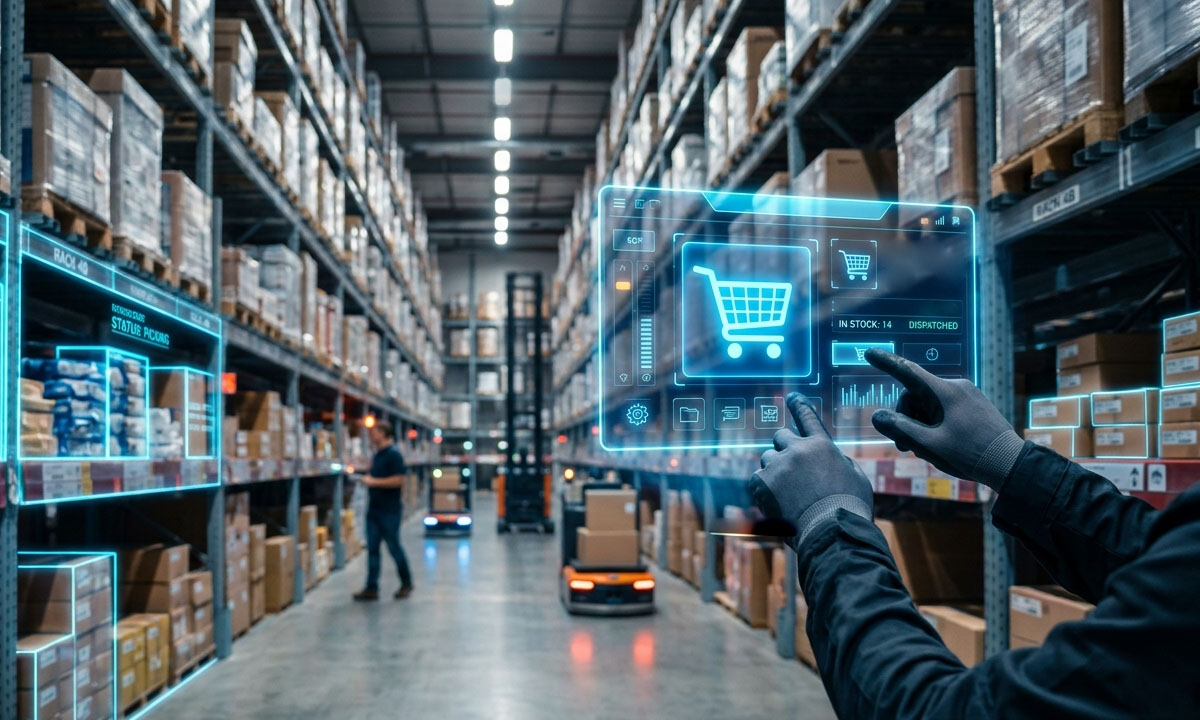
Managing inventory efficiently is one of the biggest challenges for modern businesses, especially in environments like offices, retail spaces, and unattended retail setups. Stock shortages, overstocking, and manual errors can disrupt operations and reduce profitability. This is where an automated inventory alerts system becomes a game-changer.
By leveraging real-time data, AI, and smart monitoring tools, businesses can streamline inventory control, improve accuracy, and eliminate guesswork. An intelligent inventory restocking system ensures that products are always available when needed, while reducing waste and operational inefficiencies.
In today’s data-driven workplace, automation is no longer optional. It is essential for scaling operations, improving transparency, and maintaining consistent service quality.
What Is an Automated Inventory Alerts System?
An automated inventory alerts system is a technology-driven solution that monitors stock levels in real time and sends notifications when inventory reaches predefined thresholds. These alerts help businesses take timely action, such as restocking products or adjusting supply levels.
Unlike traditional inventory tracking, which relies heavily on manual checks, automated systems use sensors, cloud-based software, and analytics to track stock movement continuously. This ensures higher accuracy and faster response times.
To better understand the fundamentals of inventory control, you can explore this guide on inventory management.
How Automated Stock Management Works
Modern automated stock management systems operate through a combination of hardware and software technologies. These include IoT sensors, barcode scanners, and cloud platforms that collect and analyze data in real time.
The system continuously monitors inventory levels and compares them against predefined thresholds. When stock falls below a certain level, a low stock alert system triggers notifications to managers or suppliers.
Automation also enables predictive analytics, allowing businesses to anticipate demand based on historical trends. This helps prevent both understocking and overstocking, ensuring optimal inventory levels at all times.
Businesses adopting automation solutions can significantly improve efficiency. Learn more about how automation is transforming industries through automation technologies.
Key Features of an Automated Inventory Alerts System
- Real-time inventory tracking across multiple locations
- Instant notifications for low stock or stockouts
- Predictive analytics for demand forecasting
- Integration with supply chain and procurement systems
- Cloud-based dashboards for remote monitoring
These features make automated systems highly effective for modern workplaces, especially those using smart retail or unattended service models.
Benefits of an Automated Inventory Alerts System
- Reduces manual errors and improves inventory accuracy
- Prevents stockouts and overstocking
- Saves time by eliminating manual tracking
- Enhances operational efficiency and cost control
- Provides data-driven insights for better decision-making
These advantages highlight why businesses are increasingly shifting toward inventory notification systems powered by automation and AI.
Why Businesses Need an Inventory Restocking System
Key Challenges Solved by Automated Restocking Systems
- Eliminates delays in restocking by sending instant alerts
- Reduces waste caused by expired or excess inventory
- Improves supply chain coordination and efficiency
- Ensures consistent product availability for employees or customers
- Minimizes operational disruptions caused by stock shortages
An effective inventory restocking system ensures that businesses never run out of essential items while maintaining optimal stock levels.
Applications in Smart Stores and Workplace Environments
Automated inventory systems are particularly valuable in smart stores, vending environments, and office breakrooms. These environments require continuous availability of products without manual supervision.
Smart stores, for example, rely heavily on real-time inventory tracking to maintain a seamless shopping experience. By integrating an automated inventory alerts system, businesses can ensure that shelves are always stocked and products are fresh.
For a deeper understanding of inventory-driven efficiency in automated environments, read our blog on vending machine technology trends.
Components of a Low Stock Alert System
Core Elements That Power Inventory Alerts
- Sensors or tracking devices to monitor stock levels
- Cloud-based software for data processing and storage
- Alert mechanisms such as email, SMS, or app notifications
- Integration with inventory databases and supply systems
- Analytics tools for forecasting and reporting
These components work together to create a reliable low stock alert system that keeps businesses informed and prepared.
How Automated Systems Improve Accuracy and Reduce Waste
Inventory inaccuracies can lead to significant losses, especially in high-traffic environments. Automated systems address this issue by providing real-time visibility into stock levels and movement.
With accurate data, businesses can avoid over-ordering and reduce waste caused by expired products. At the same time, they can ensure that high-demand items are always available.
Automation also minimizes human error, which is a common cause of inventory discrepancies. By relying on technology instead of manual tracking, companies can maintain higher levels of accuracy and efficiency.
Future Trends in Inventory Automation
The future of inventory management is driven by AI, IoT, and advanced analytics. Businesses can expect:
- Increased use of predictive analytics for demand forecasting
- Integration with AI-powered retail systems
- Expansion of cloud-based inventory platforms
- Enhanced automation in supply chain operations
These trends will further strengthen the role of automated stock management in modern business environments.
Conclusion
An automated inventory alerts system is no longer a luxury—it is a necessity for businesses that want to stay competitive in today’s fast-paced environment. By automating stock monitoring, alerts, and restocking processes, companies can improve efficiency, reduce waste, and enhance overall operations.
From smart stores to office breakrooms, automated systems ensure that inventory is always optimized and aligned with demand. They provide real-time insights, reduce manual effort, and support data-driven decision-making.
As technology continues to evolve, businesses that invest in inventory notification systems and automation will be better positioned to scale operations, improve accuracy, and deliver consistent value to employees and customers alike.