
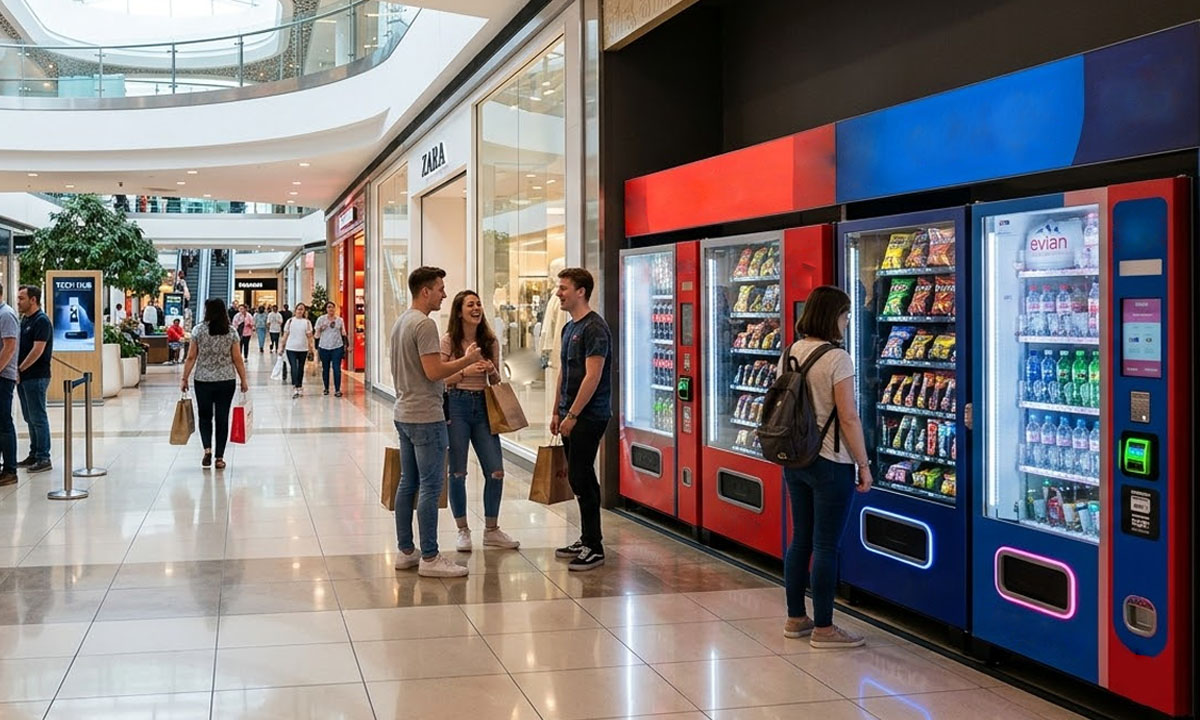
Shopping malls are no longer just spaces for retail, they are evolving into technology-driven environments that cater to convenience, efficiency, and customer experience. One of the most impactful innovations in recent years is the adoption of cashless vending machines. These modern machines allow shoppers to make purchases without coins or bills, using contactless payment options such as mobile apps, digital wallets, or NFC-enabled cards.
For mall operators, cashless vending machines offer more than just convenience; they provide improved operational efficiency, smarter inventory management, enhanced security, and valuable consumer insights. For shoppers, these machines create a frictionless experience, enabling faster transactions and reducing the hassles associated with traditional vending. Understanding how cashless vending machines benefit malls is essential for businesses looking to stay competitive in the digital age.
Recent trends indicate a strong consumer preference for cashless payments. According to digital wallet studies, shoppers increasingly choose contactless solutions for speed, hygiene, and convenience. This trend aligns perfectly with modern vending machine systems, creating an efficient, user-friendly retail environment.
Benefits of Cashless Vending Machines in Shopping Malls
1. Enhanced Convenience for Shoppers
Traditional vending machines require coins or bills, which can slow down the transaction process and frustrate customers. Cashless vending machines eliminate this problem, allowing shoppers to complete purchases in seconds using their preferred contactless payment method.
This convenience is especially important in busy mall settings where shoppers may be juggling multiple errands, carrying bags, or supervising children. By enabling frictionless purchases, cashless vending machines improve the overall shopping experience, keeping customers satisfied and encouraging repeat visits.
2. Faster Checkout and Reduced Queues
Speed is a major factor in customer satisfaction. Cashless vending machines allow for near-instant transactions, reducing queues and wait times. Shoppers no longer need to fumble for exact change or deal with coins, and mall operators benefit from smoother traffic flow in high-density areas.
Shorter checkout times not only improve the customer experience but also maximize the number of transactions a machine can handle, ultimately increasing revenue. Modern self-checkout features in vending machines mirror innovations seen in broader retail environments, as explained in self-service and micro market retail technologies.
3. Improved Sales Tracking and Analytics
One of the most significant advantages of cashless vending machines is their ability to provide real-time sales data. Every transaction is recorded digitally, allowing mall operators to track which products sell most frequently, peak usage times, and customer preferences.
These insights enable smarter inventory management. Products can be restocked based on actual consumption patterns, reducing waste and ensuring popular items are always available. Over time, this data can help malls optimize product offerings and adjust pricing strategies to boost profitability.
In addition, analytics from cashless vending machines can be integrated with other mall systems, providing a comprehensive view of consumer behavior across different retail spaces. For operators interested in integrating smart technologies, see our overview on modern workplace and retail technology.
4. Reduced Operational Costs
Handling cash involves frequent collection, counting, and reconciliation. These tasks require labor and introduce the risk of human error or theft. Cashless vending machines significantly reduce these costs by eliminating cash handling.
Additionally, cashless machines simplify accounting and financial reporting since every transaction is automatically logged and auditable. Reduced maintenance and fewer cash-related issues allow staff to focus on improving other aspects of the customer experience, such as restocking products and maintaining the machines.
5. Flexible Payment Options
Cashless vending machines accommodate a variety of payment methods, including mobile wallets, credit and debit cards, and prepaid digital accounts. This flexibility appeals to a broad spectrum of customers, from tech-savvy millennials to international shoppers who may not carry local currency.
Offering multiple payment methods also encourages impulse purchases. Shoppers are more likely to buy an extra snack or beverage when they can pay quickly and securely, boosting the overall revenue of the vending operation. Loyalty programs and discounts can also be easily integrated into cashless systems, further incentivizing repeat purchases.
6. Enhanced Hygiene and Safety
In a post-pandemic world, hygiene has become a critical consideration. Cash handling exposes machines to germs and bacteria, increasing the risk of contamination. Cashless vending machines reduce physical contact, creating a safer shopping environment for customers.
The focus on hygiene aligns with broader trends in retail and public spaces. According to recent reports on cashless payments , consumers are more likely to engage with businesses that provide safe, contactless transaction options.
7. Smart Inventory Management
Many cashless vending machines are equipped with smart inventory management systems. Sensors and software monitor stock levels in real time, sending alerts when products need to be replenished. This minimizes downtime and ensures that popular items remain available.
Smart inventory reduces waste by helping operators predict which products are likely to expire or remain unsold. It also allows management to experiment with new items, testing consumer response without committing to large quantities.
For more insights on vending technology and services, see our Vending Services.
8. Environmental Benefits
Cashless vending machines contribute to sustainability efforts by reducing the need for paper receipts and minimizing cash transportation. Digital transactions leave a smaller carbon footprint, and real-time inventory management helps prevent overstocking and food waste in perishable vending products.
Environmental responsibility is increasingly important to consumers. Malls that adopt eco-friendly vending solutions can enhance their brand image and appeal to environmentally conscious shoppers.
9. Supporting a Modern Shopping Experience
Cashless vending machines are part of the larger evolution of smart retail. Shoppers today expect speed, convenience, and integrated technology at every touchpoint. By adopting cashless solutions, malls provide a seamless experience that aligns with broader trends in retail innovation.
From food courts to entertainment zones, cashless vending machines allow shoppers to enjoy quick refreshments, increasing dwell time and overall engagement within the mall. This convenience can indirectly drive sales in surrounding retail outlets as shoppers feel more satisfied and willing to explore other stores.
Key Considerations for Implementing Cashless Vending Machines
- Connectivity: Machines must have reliable internet or network access to process payments.
- Payment Methods: Ensure support for the most widely used contactless and mobile payment options.
- Maintenance: Regular software updates and hardware inspections are necessary to avoid downtime.
- Product Mix: Offer a mix of snacks, beverages, and convenience items to appeal to a diverse shopper base.
- Customer Education: Clear signage and simple instructions ensure smooth adoption by all demographics.
Careful planning ensures that cashless vending machines provide maximum benefit to both shoppers and mall operators.
Conclusion
Cashless vending machines are transforming shopping malls by offering convenience, efficiency, and data-driven insights. They enhance the customer experience, provide flexible payment options, improve hygiene, and optimize inventory management.
For mall operators, these machines reduce operational costs, increase sales, and support sustainability initiatives. Shoppers benefit from faster checkout, more payment options, and a safer, more modern shopping environment.
By investing in vending solutions and integrating advanced technology, malls can stay competitive in an increasingly digital retail landscape. For further reading on how frictionless checkout and AI-driven retail are shaping the future, see our related blog on Smart Stores, AI & Frictionless Checkout.