
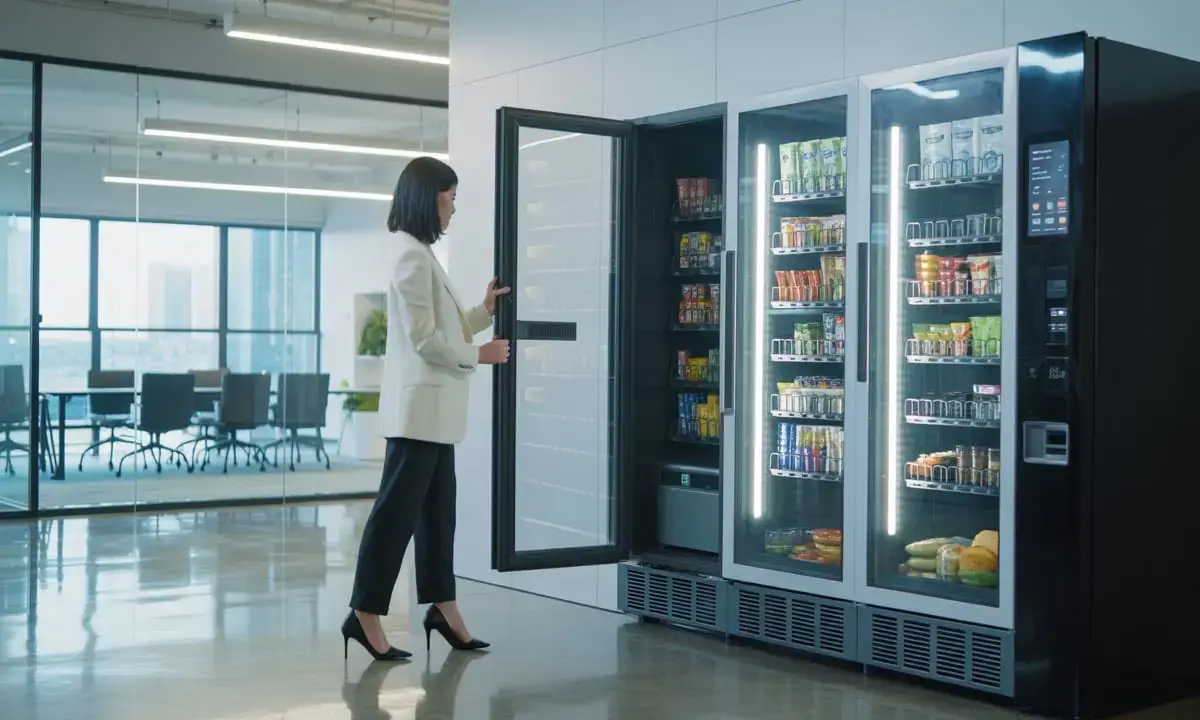
Modern workplaces are evolving, and with them the need for efficient, convenient solutions that save time and resources. Among these innovations, smart store have emerged as a powerful tool to streamline office operations. From reducing manual processes to providing employees with easy access to essentials, smart stores are revolutionizing the way offices function.
Understanding what is a smart store and how it integrates with office operations is essential for businesses seeking to improve productivity, employee satisfaction, and overall efficiency.
What Is a Smart Store?
A smart store is a technology-enabled retail environment that uses automation, sensors, and data analytics to manage inventory, streamline purchasing, and provide a seamless user experience. In an office context, this means employees can quickly access snacks, beverages, office supplies, and other essentials without relying on traditional vending machines or supply rooms.
Smart stores leverage smart technology to track consumption patterns, monitor inventory levels, and even suggest products based on usage. The goal is to reduce operational friction while ensuring employees have what they need at their fingertips.
For companies exploring these solutions, learning how to get smart store solutions implemented can be a game-changer.
How Smart Convenience Stores Improve Office Efficiency
The integration of smart convenience stores in office settings provides multiple benefits that directly impact productivity and workflow. Unlike traditional vending or supply methods, smart stores combine convenience with intelligence.
Key Benefits Include:
- Time Savings: Employees can retrieve items quickly without waiting in lines or searching storage areas.
- Reduced Manual Inventory Management: Smart technology automatically tracks usage and restocks supplies efficiently.
- Enhanced Employee Satisfaction: Providing convenient access to essentials makes the workplace more comfortable and enjoyable.
In addition to snacks and beverages, smart stores can include items such as office supplies, personal care products, or even tech accessories. Offices that adopt these solutions often see measurable improvements in operational flow and employee morale.
The Technology Behind Smart Stores
Smart stores rely on advanced smart technology to function efficiently. Key components include:
- Sensors and IoT Devices: Track inventory and employee interactions with the store.
- Data Analytics: Monitor usage patterns, predict demand, and optimize stock levels.
- Mobile Integration: Employees can scan items or use office apps to check availability and make purchases.
These technologies allow offices to maintain seamless operations without constant manual oversight. Smart stores also generate valuable insights that managers can use to improve procurement, reduce waste, and identify trends in employee preferences.
Companies exploring high-tech workplace solutions can combine smart stores with other offerings such as micromarkets for a fully integrated refreshment and convenience ecosystem.
Enhancing Employee Experience Through Smart Stores
A modern office experience prioritizes employee convenience and satisfaction. Smart stores support these goals by providing:
- Immediate access to healthy snacks, drinks, and coffee options
- A self-service model that reduces wait times and dependency on staff
- Opportunities for employees to personalize their selections
Health-conscious offices can also integrate healthy vending options and specialty beverages to support wellness programs. Studies show that easy access to refreshments and convenience products increases overall employee engagement and reduces time lost leaving the office for errands.
Streamlining Operations With Automation
Smart stores reduce operational bottlenecks by automating several traditional processes:
- Inventory Management: Real-time tracking prevents shortages and ensures products are always available.
- Procurement and Restocking: Automated systems alert suppliers or facility managers when stock is low.
- Employee Access: Digital authentication and scanning systems ensure secure, fast transactions.
These automated processes save significant time for administrative staff, reduce human error, and provide management with detailed insights into office consumption patterns.
For example, integrating smart store with vending machines can create a full-service refreshment ecosystem. Employees enjoy quick access to both beverages and snacks, and the office benefits from reduced operational strain.
Choosing the Right Smart Store Solution
Implementing a smart store in your office requires careful planning. Key factors to consider include:
- Integration with Existing Office Systems: Ensure compatibility with your current technology infrastructure.
- Scalable Inventory Options: Select a store size and stocking model that meets employee needs.
- Data Security: Protect employee transactions and usage data.
- Maintenance Support: Partner with providers who offer ongoing service and technical support.
Professionals interested in upgrading their office experience can get smart store solutions designed for seamless integration and minimal disruption.
Future of Smart Stores in the Workplace
As offices evolve, smart stores are likely to become a standard feature in high-functioning workplaces. Beyond convenience, they provide actionable data to managers, help promote wellness programs, and create a modern, tech-forward environment.
Combining smart stores with other office enhancements like Technology solutions will further streamline operations, enhance employee engagement, and position the office as a modern, efficient workspace.
Conclusion
Smart stores are transforming the way offices manage convenience, employee satisfaction, and operational efficiency. By understanding what is a smart store and leveraging smart technology, businesses can reduce manual workload, improve productivity, and create a more engaging workplace environment.
Investing in smart convenience stores ensures employees have quick access to essential items, snacks, and beverages while providing management with data-driven insights to optimize operations. Companies looking to get smart store solutions can take advantage of these innovative systems to enhance efficiency and build a modern, employee-friendly office.